The Columbine and the hummingbird
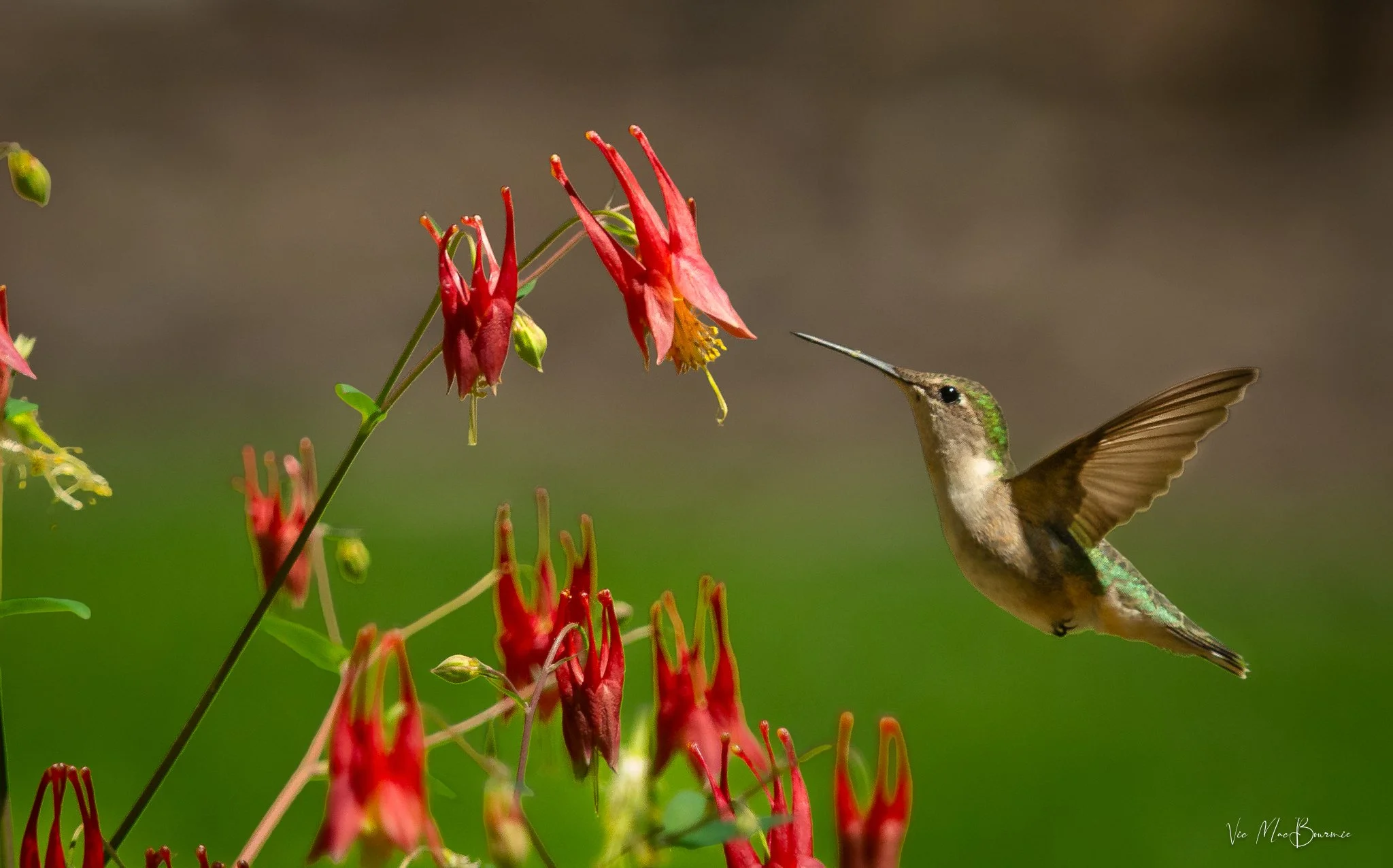
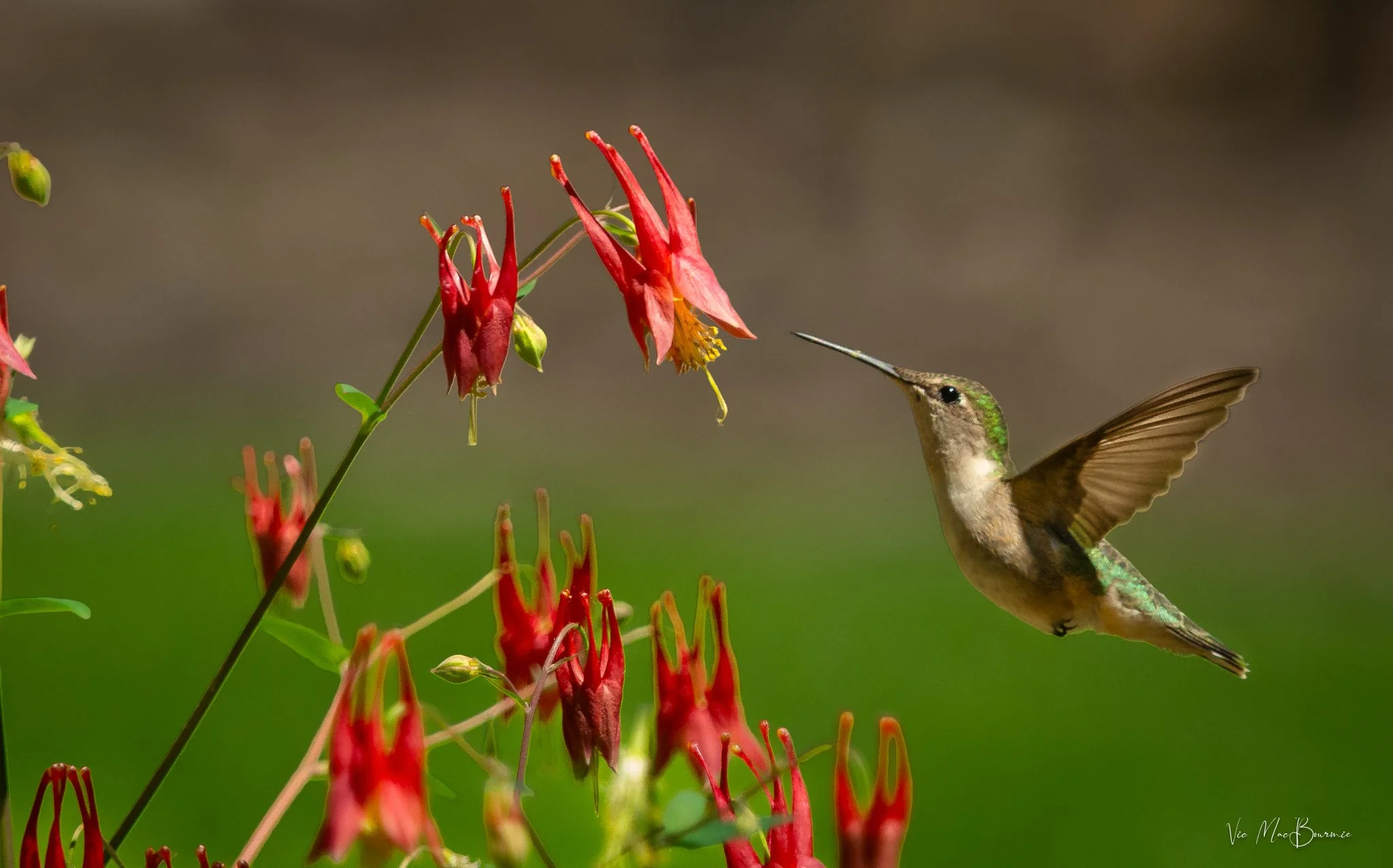
A hummingbird works on native Columbine in the woodland garden in early spring.
Spring in the woodland garden: Importance of native plants
One look at a native columbine and you know they were “made” for hummingbirds.
The colours – a vibrant red and yellow. The shape – long tubular flower petals perfect for our hummingbirds’ long beaks and even longer tongues. The way the entire flower hangs off the stem.
It’s the perfect match for the hummingbird.
This week in the garden watching hummingbirds work the columbines was all I needed to be reminded of the important relationship between our native columbine and hummingbirds. In fact, it proved to be even more verification of how important native plants are to our local wildlife.
I don’t think it’s a coincidence that our ruby-throated hummingbirds arrived to our garden just as the columbines were preparing to open.
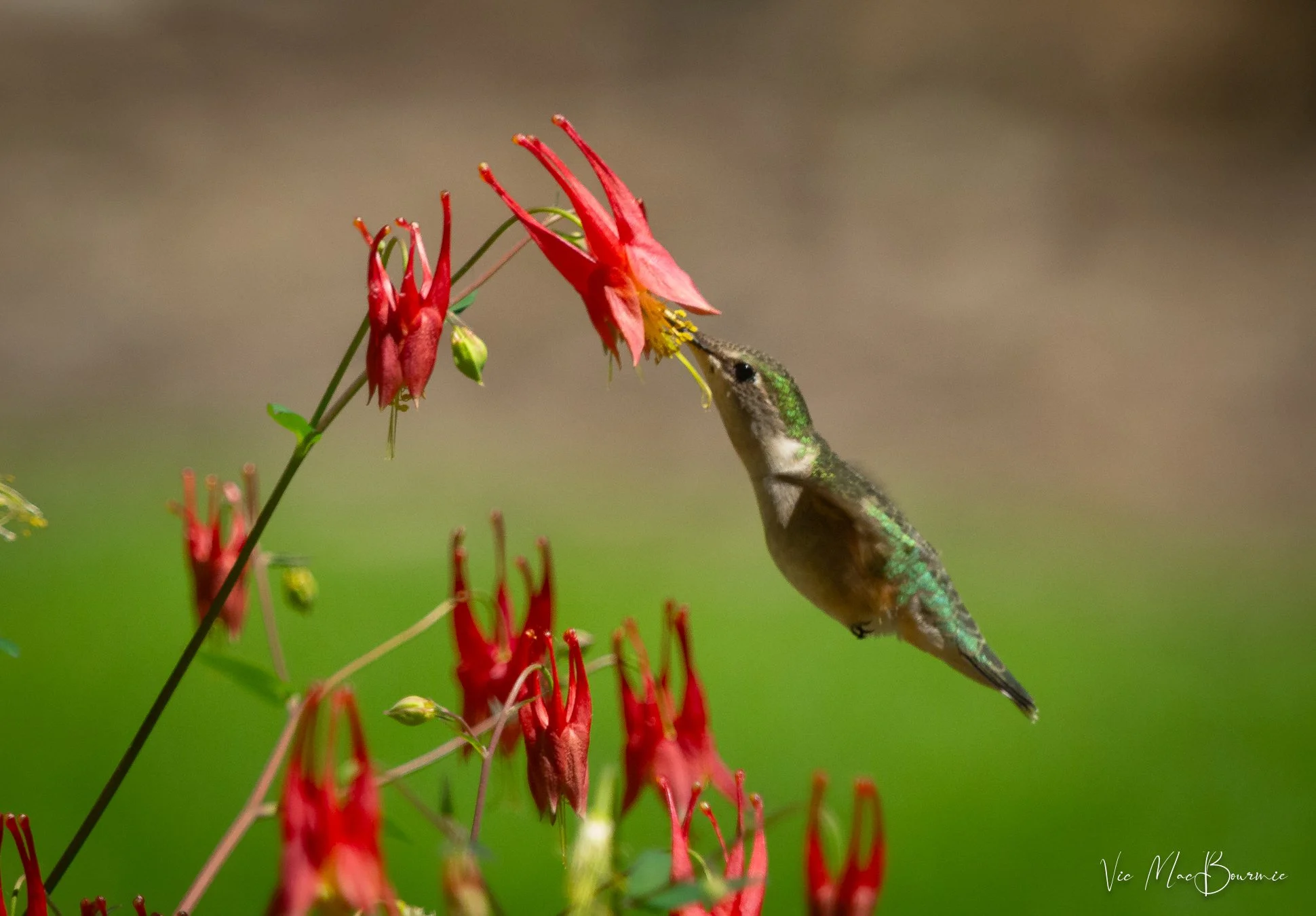
Columbines, along with Solomon’s seal and a handful of other natives and non-native plants, are just a few of the key plants that provide a food source for migrating hummingbirds. Flowering trees such as crabapples, serviceberries and a host of other shrubs also play a major role in helping migrating birds, such as hummingbirds.
For more on columbines, check out my earlier posts here.
For my post on helping migrating birds, see my earlier post here.
Commercial feeders are no replacement for native plants
One look at all the activity around our commercial feeders (Amazon link) and it’s easy to forget that these tiny birds that have just made their way from as far away as Central America to our backyards in the northeastern United States, Ontario and more northerly parts of Canada, are more dependent on native plants than our feeders.
In other parts of the world, including the southwestern U.S., into western Canada, a similar dependency exists with the beautiful Rocky Mountain columbines and other native plants that feed the migrating hummingbirds along their journey.
Hummingbird feeders have certainly become an important, readily available, high-energy food source that is available to migrants as they make their way to their summer breeding ground. But, it is plants like columbines that ensure hummingbirds’ survival over long stretches of uninhabited areas where feeders are not as readily available.
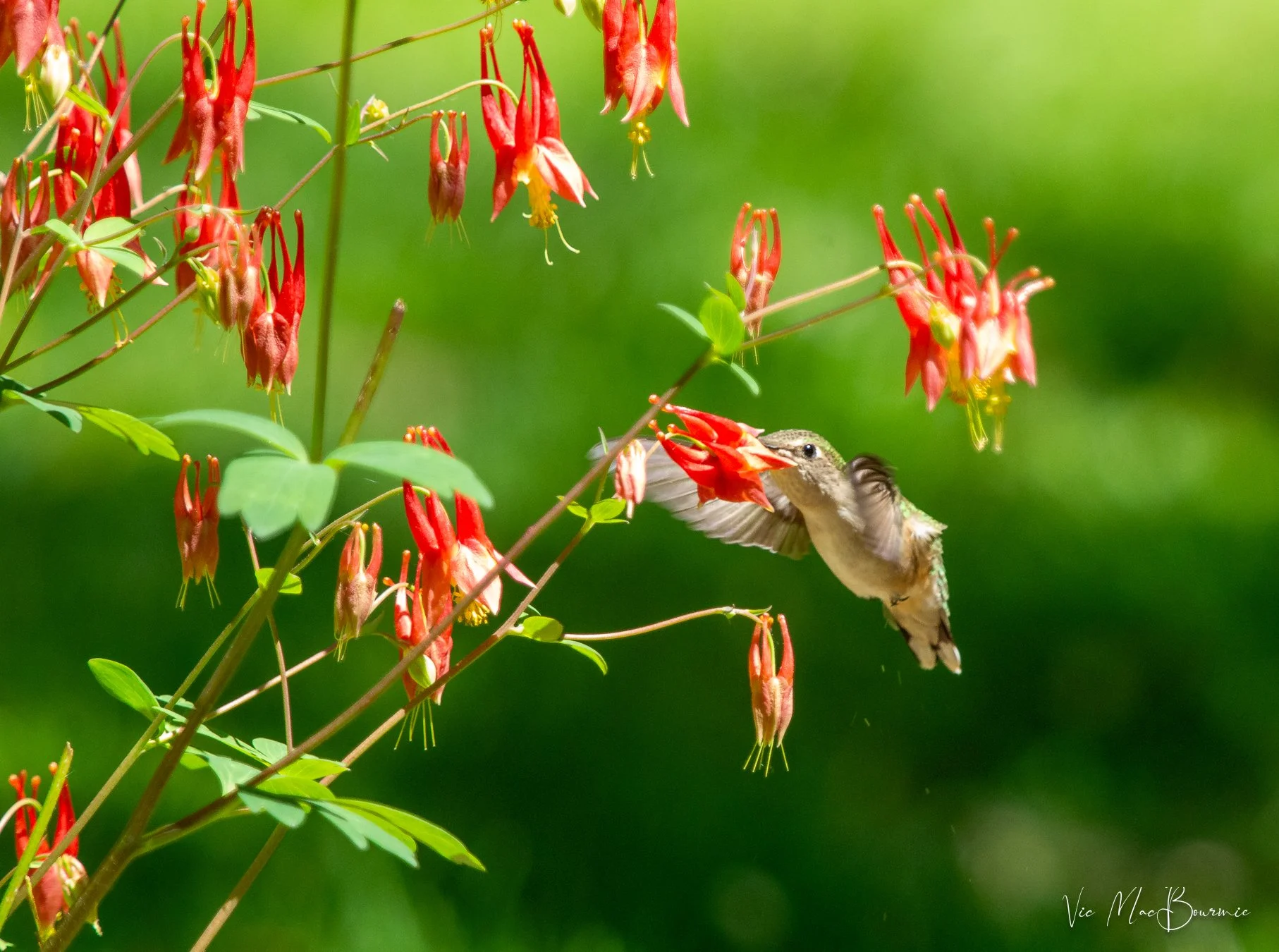
Columbines can be an important food source for migrating hummingbirds in early spring.
Not only are native plants, including columbines, important as an early food source for hummingbirds, they also feed smaller insects which can be a source of protein for hummingbirds.
Many of us might not realize that insects actually make up a huge part of the hummingbirds’ diet. In fact, leaving pieces of fruit out near a feeder to attract fruit flies can also be beneficial for hummingbirds. When it comes to feeding their babies on the nest, it’s small insects and spiders that make up the diet of both the tiny babies and their parents.
The Rocky Mountain columbines – non-native in my location – as well as the more hybridized varieties may not be as beneficial to hummingbirds in our area, but more than likely offer some of the same benefits as our native plants.
It’s always good to include at least some native varieties in your naturalized garden.
If you don’t have native columbines in your garden, be sure to put them on your list for next season. If you can still find plants are your local nursery, pick up a few and get them in the ground for the hummers. If you can’t find any plants, you can probably purchase some seed which you can try to sew directly in the garden or grow in pots.
For more on native plants and their importance in the landscape, check out my earlier posts here.
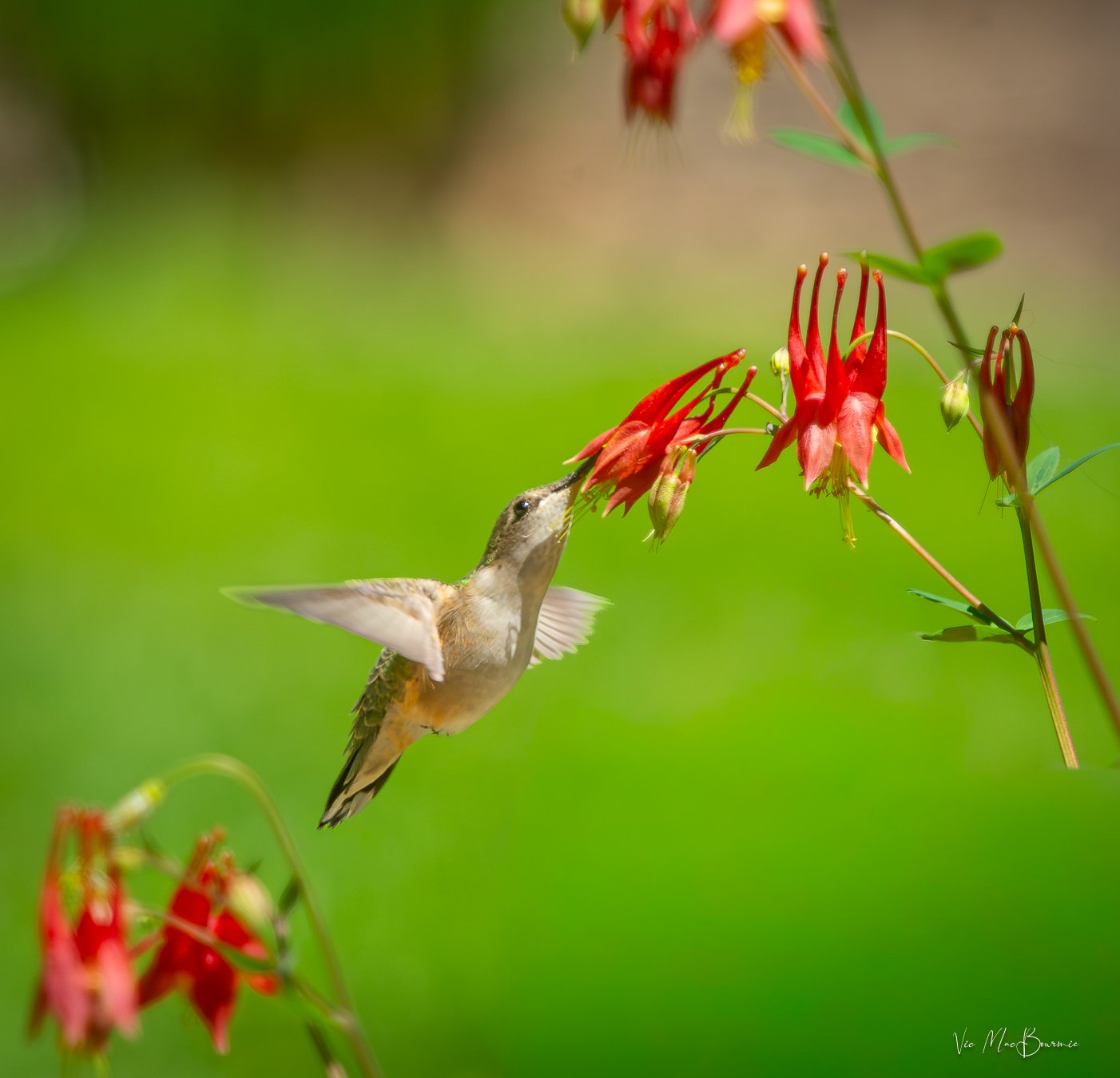
This image shows how the hummingbirds flies low and then up to feed on the low hanging columbines. They are able to lift the flowers as they feed.
How I photographed the hummingbirds
Anyone who has tried to photograph these tiny, extremely fast and skittish little birds knows how difficult it can be.
Using an electronic flash helps to stop movement, throws a catchlight in the eye and adds a fill light to darker areas in the image, but I prefer to keep it simple when it comes to capturing images of hummingbirds.
I used a digital SLR (Pentax K5) combined with a Pentax 300mm f4.5* lens teamed with a 1.4 converter that gave me the equivalent of about a 720mm lens on the cropped sensor. I bumped up the ISO to 1600, which added even more noise to the images.
I’m lucky that I planted the Columbines right near where I like to sit with my coffee and look out over the garden. So, I grabbed my monopod and waited… and waited.
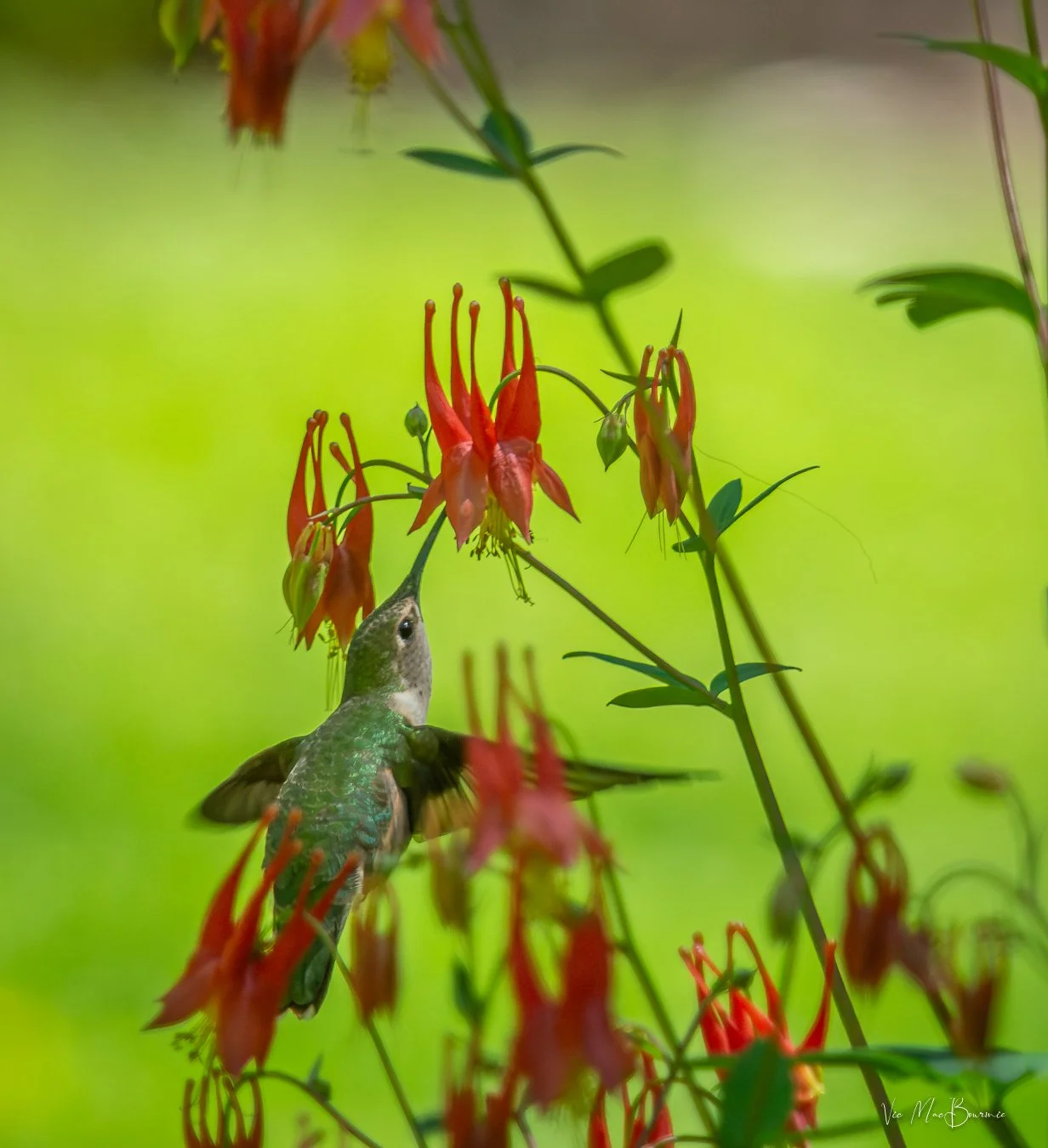
A hummingbird flying almost vertically to feed on the columbines.
The hummingbirds visited the many feeders I had put up around the patio but took their time to check out the columbines.
It was late morning and the flowers were in the shade while the background was well lit, so I knew it wasn’t ideal lighting. I knew I could save the RAW images in post processing with a combination of Lightroom and Luminar Neo, but wasn’t under any great expectations that the results would be anything more than acceptable.
As a result of the bright background, most of the images of the birds were underexposed. Bringing the exposure up only added to the noise in the high-ISO images.
The birds visited a few times giving me lots of opportunities to get a variety of images. I shot in continuous mode but the K5 and lens combination wasn’t ideal to capture these fast-moving subjects.
Several hours later and I could see the shade moving away and the flowers beginning to get lit up. All I could do was hope the hummingbirds would return with the better lighting. And they did.
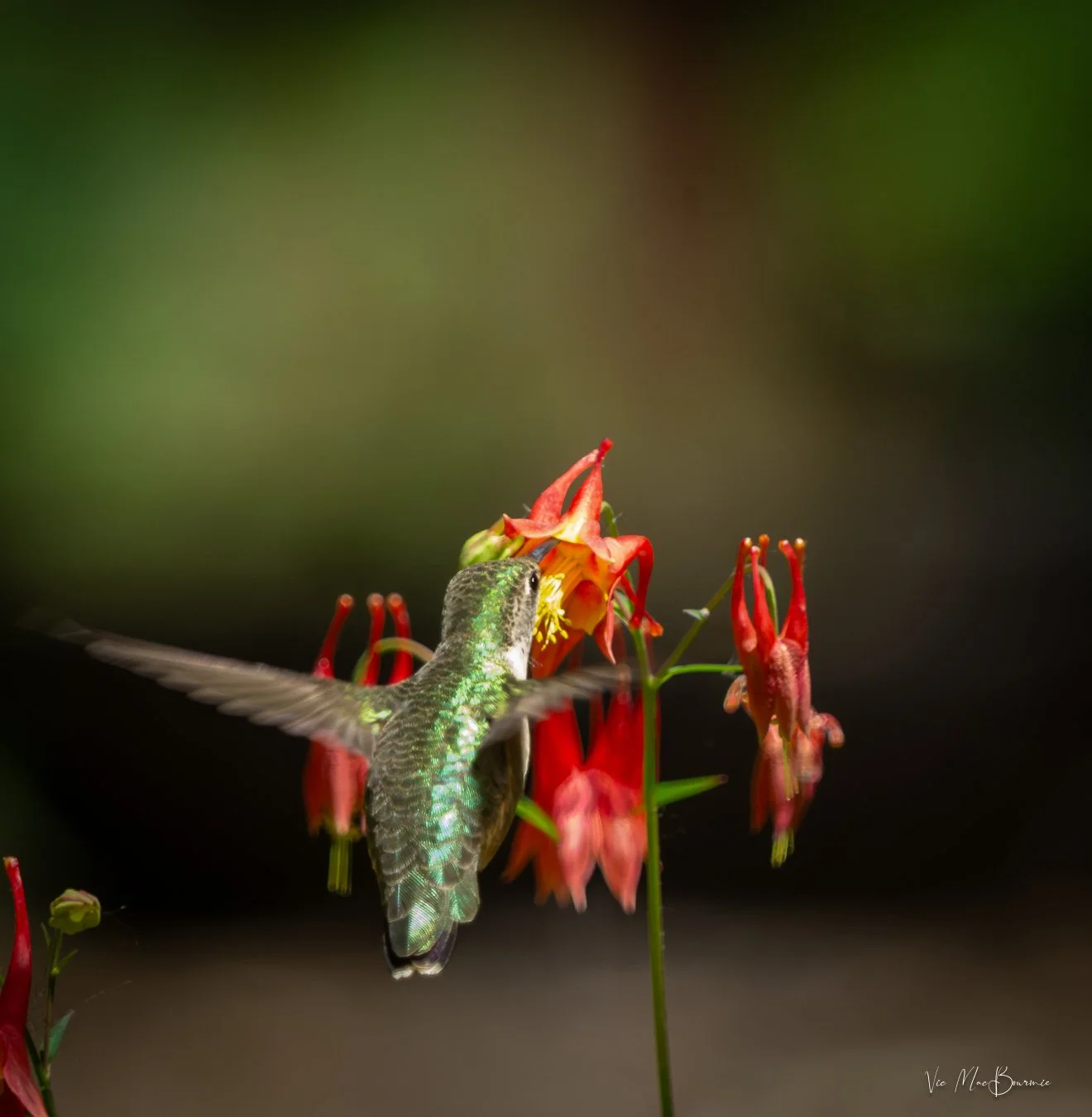
This image shows the hummingbird’s beak moving into the long Columbine flower petals to feed.
The results with the sun on the plants and the birds proved to be much better with a natural catchlight in the eye and a faster shutter speed to better freeze the motion of the bird. In addtion, the better lighting allowed me to stop down the lens for a little added depth of field.
The results of the photo shoot was a mixed bag of good and bad. I was happy just to capture the hummingbirds at the columbines, but unhappy about the quality of images and the amount of post processing needed to make them acceptable for publication.
A lot of work was needed to get the most out of the images, including a heavy amount of sharpening in both Lightroom and Luminar Neo.
Speaking of Luminar Neo, I used its “light depth” module on many of the images to create nicer light on the hummingbirds. I also used Luminar Neo’s AI sharpening tool in a few of the images.
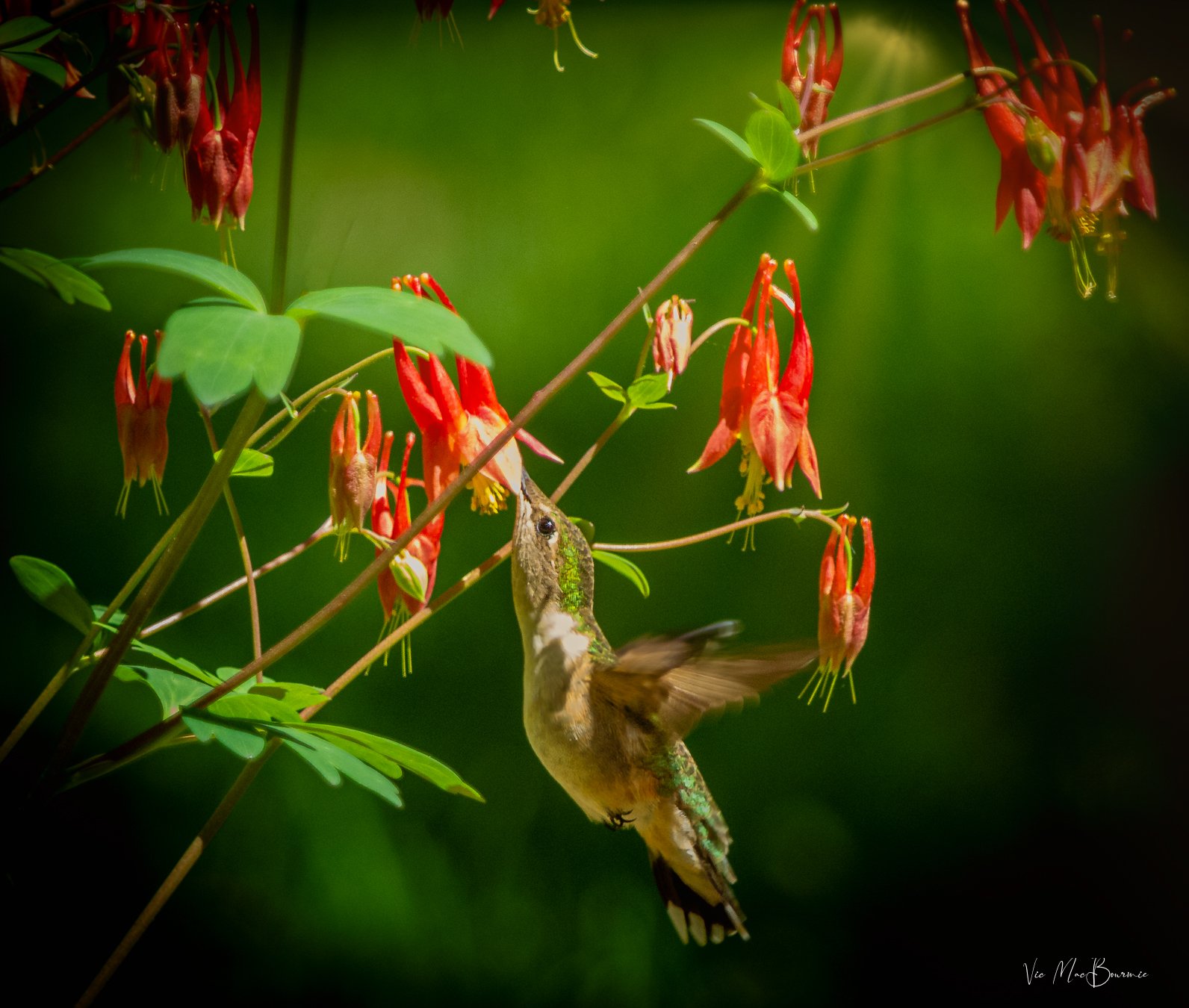
This image shows the hummingbird flying almost vertically to feed on the columbines. During post processing, I darkened the background edges to focus on the hummingbird. Warm sun rays were added and the entire image was warmed up. The result is a more creative approach to a natural image.
Finally, I decided to push Luminar Neo’s creative capabilities to see what was possible. (See image above.)
After using the light depth module to lighten the hummingbird against the surroundings, I tapped into the sunrays module to add warm beams of light on the subject.
And the result: As a creative image I think I really like the results.
Some may argue that it is too contrived, and that’s okay. I see photography as a creative expression and have no problem taking an image to its creative limits.
I enjoy nothing more on a rainy day, than sitting in front of the computer and playing with the creative aspects modern post processing programs provide photographers.
For my post on creative approaches to photography, check out my earlier post here.
What do you think? Is it too much or are you open to creative expression in nature photography?
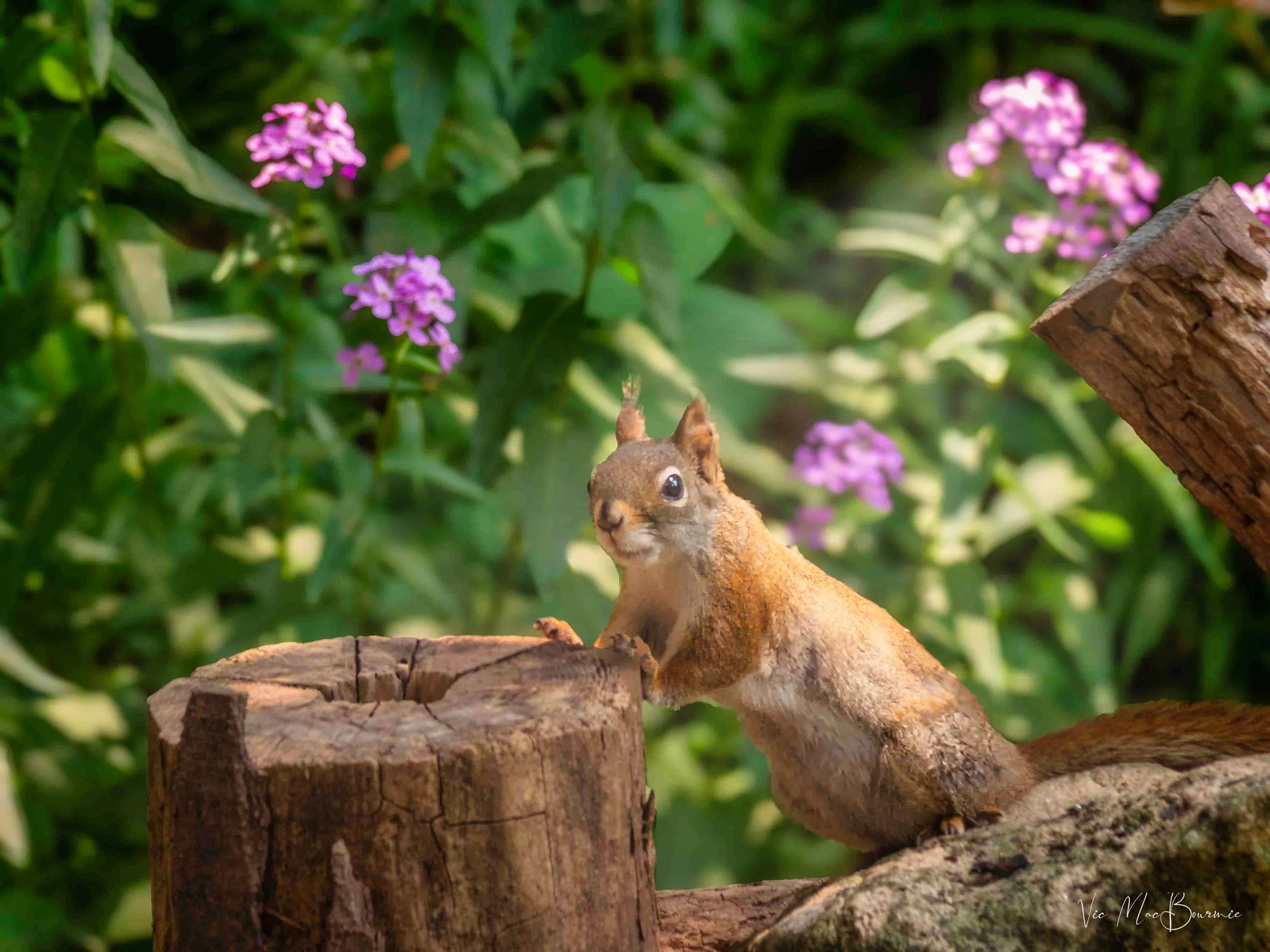
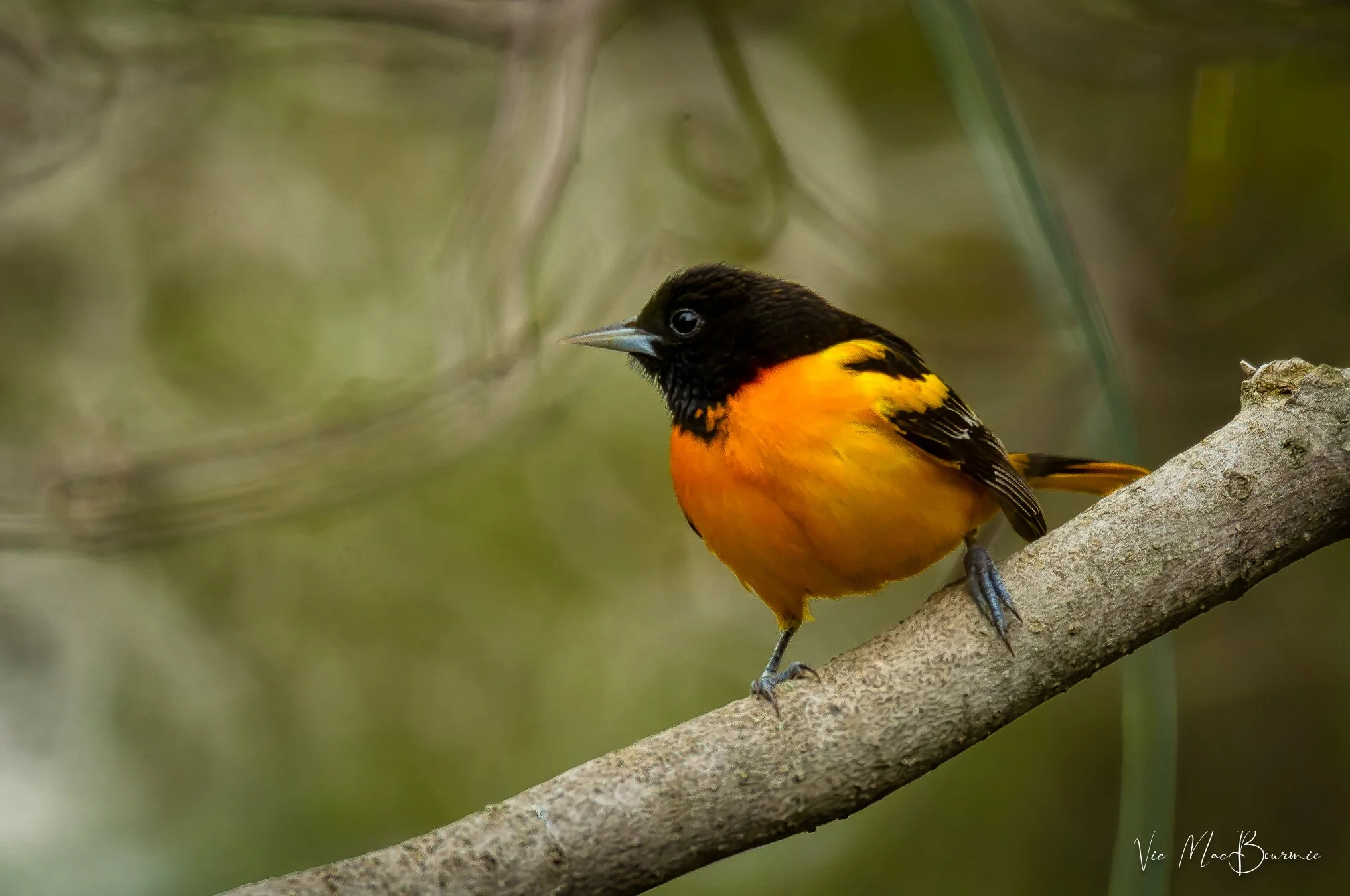
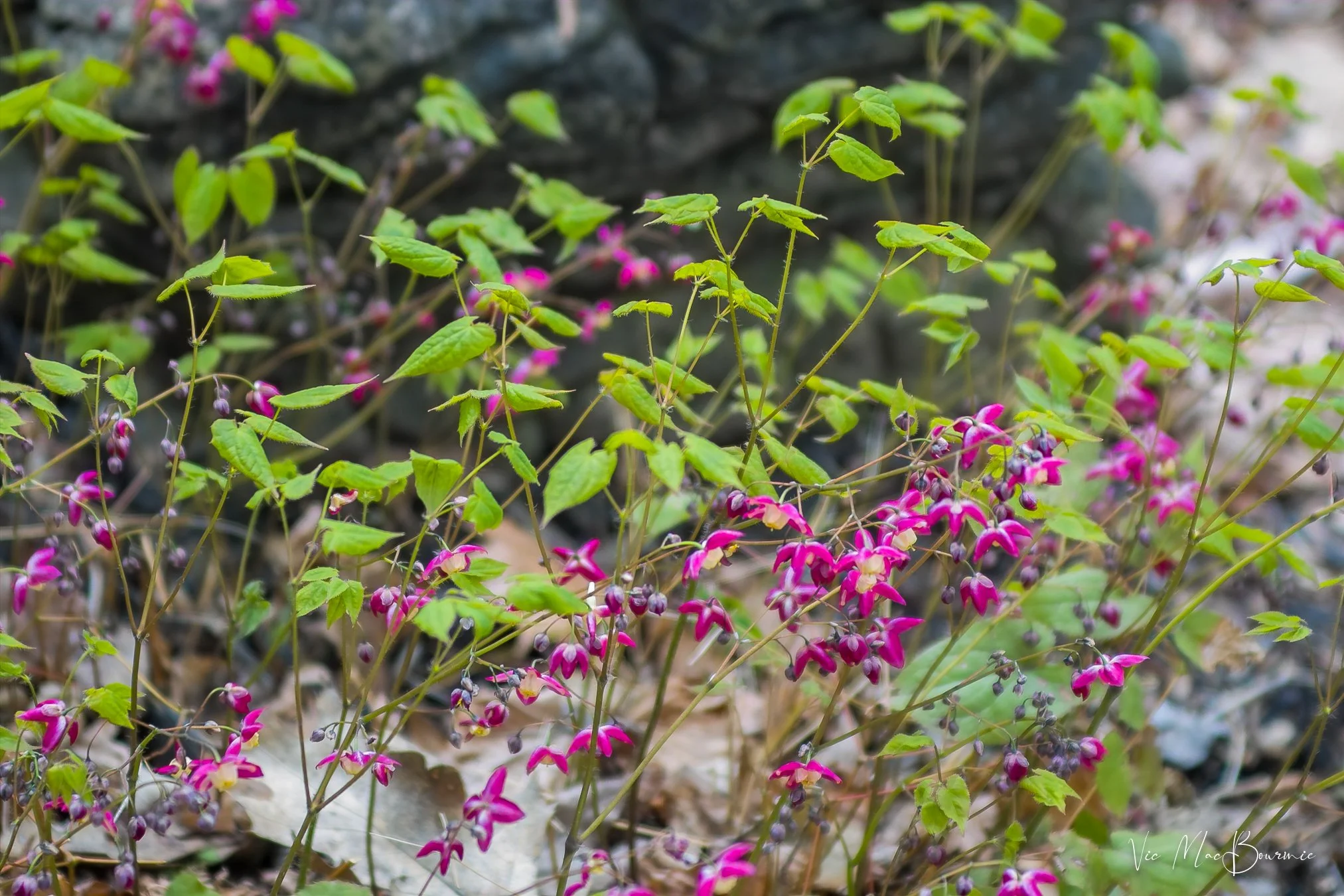
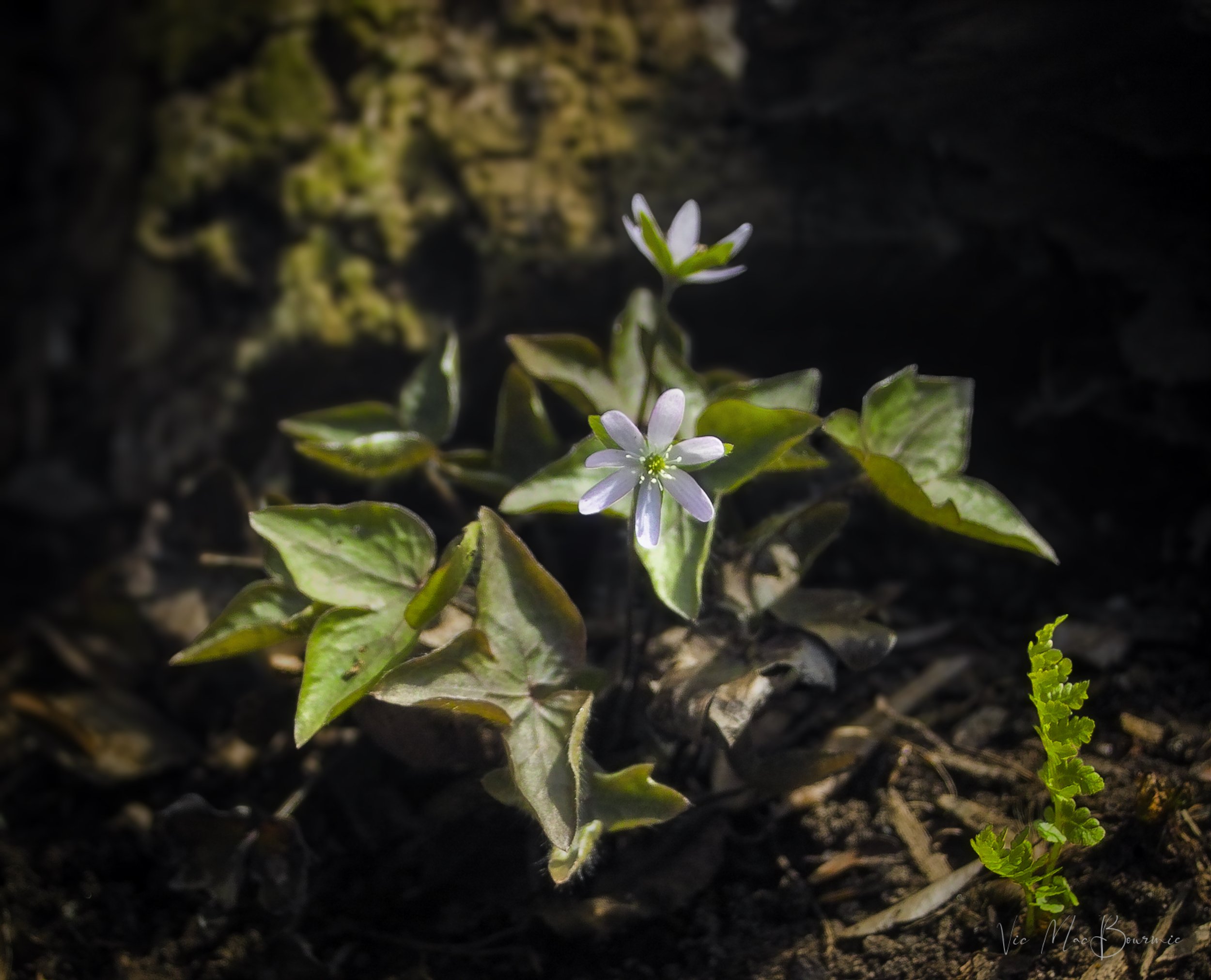


Some of my favourite August bloomers in the woodland/wildlife garden and the wildlife they attract.