Exploring the backyard spring woodland/wildlife garden
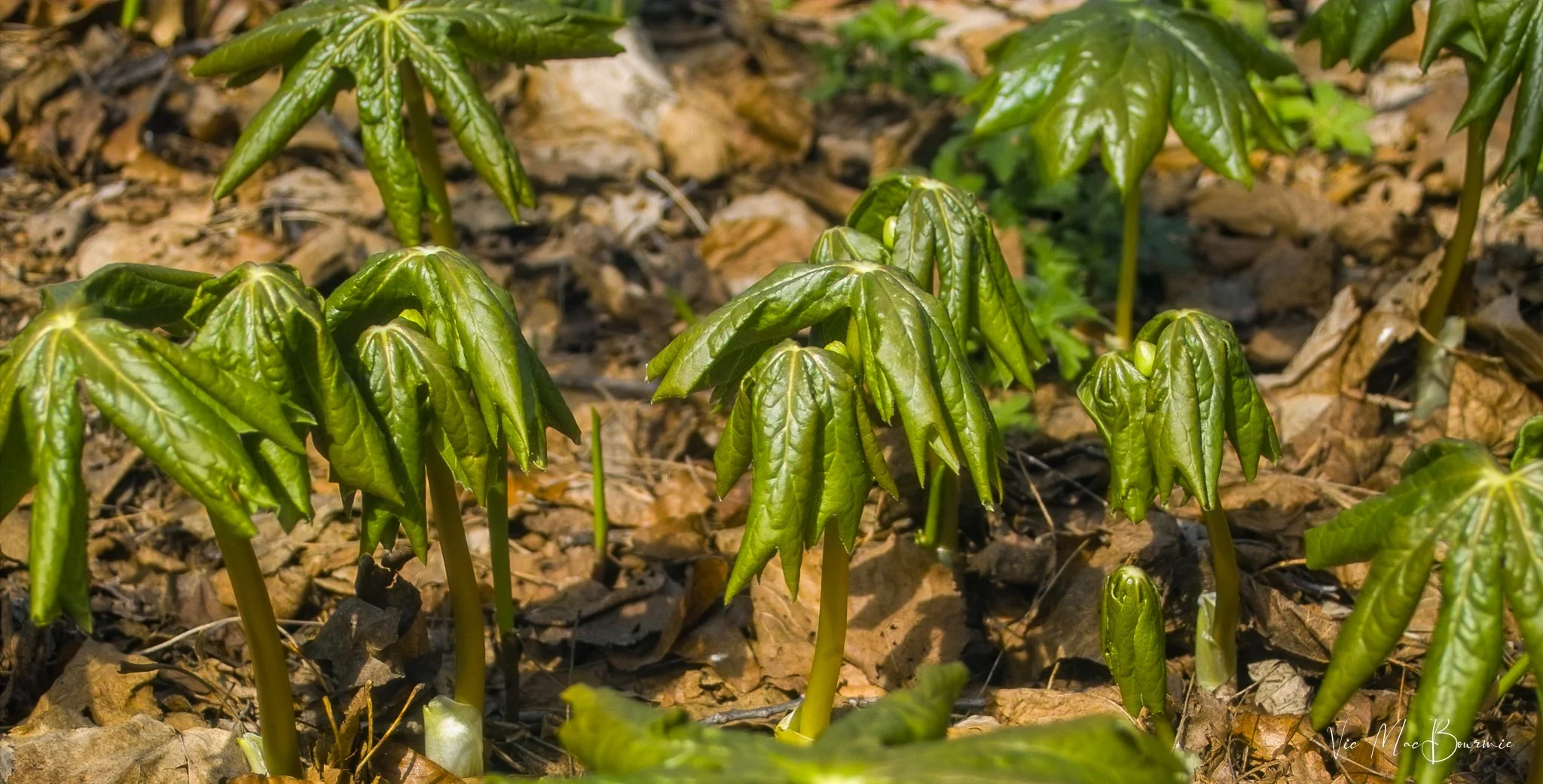
Mayapples just beginning to poke out of last year’s fallen leaves. This native ground cover is among the first to emerge and begin shading the forest floor. Eventually they form a large umbrella hiding a small green “apple” that eventually becomes the seeds for future plants. This is a wonderful ground cover that, when happy, will spread prolifically.
Learn to see the small treasures our gardens provide
Part one of a series
In our woodland garden, early spring is certainly not the most picturesque time.
Without the foliage from the ground on up to the heavens, it’s not much more than a vast space of brown leaves and unappealing bare stems. And to make matters worse, it’s open for all to see more or less in it entirety.
It’s a good time to look around and recognize the areas that could use a little help. Maybe an evergreen in that corner to block an ugly view or a small privacy fence to break up the view of your neighbour’s BBQ. Other than that, it’s easy to look aside and yearn for the summer when everything is dense, green and in full bloom.
Anyway, at this time of year, most of us are too busy bringing out chair cushions, garden statues and other garden accoutrements from the shed to really look at the early spring garden.
But, it’s worth a look –and a close one at that.
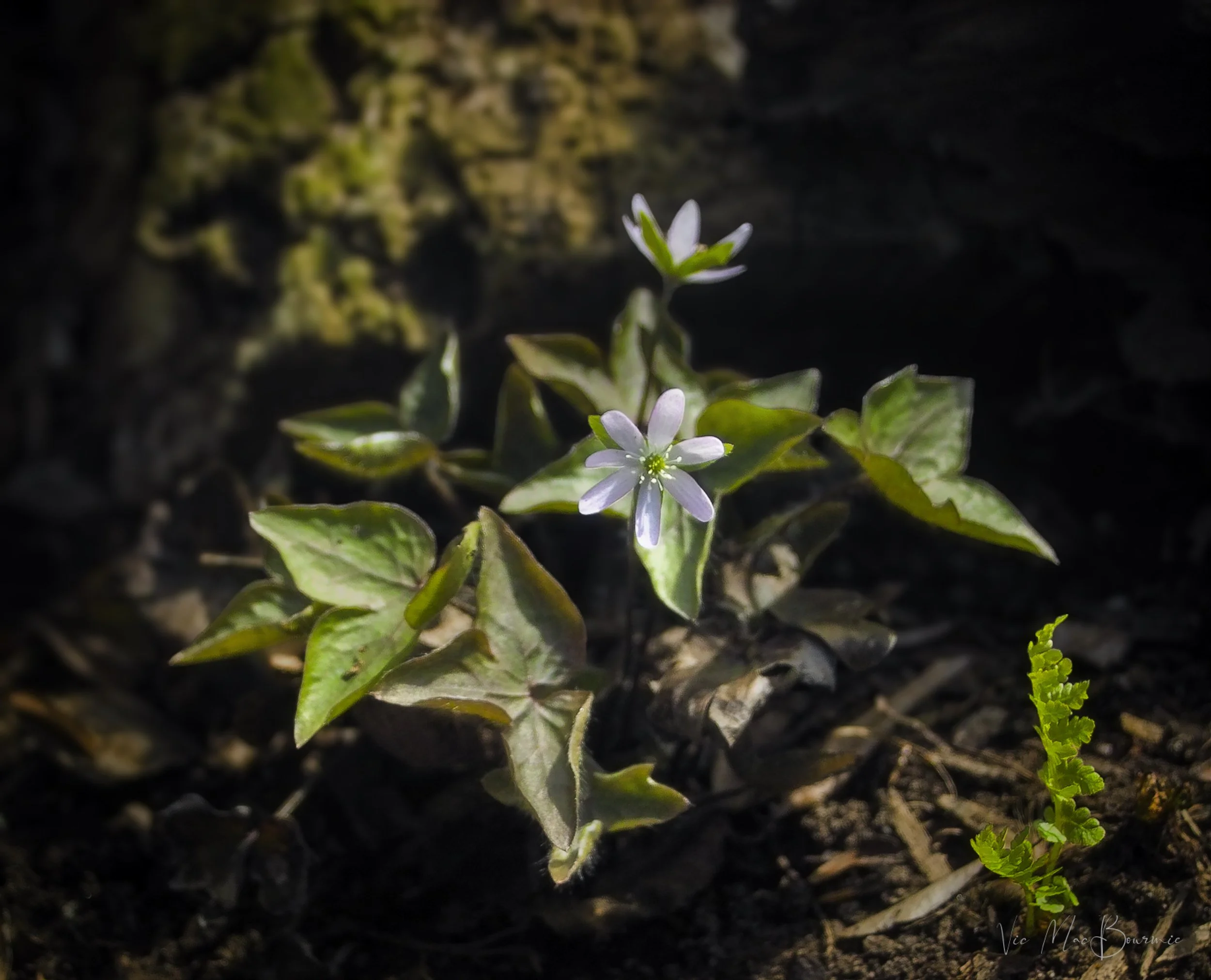
The very early emergence of our native Hepatica offer a wonderful little surprise when you think nothing is blooming. I planted these last year as part of several small woodland garden vignettes inspired by my woodland walks. The hepatica are tucked in beside a sort of mini-stump garden were I recycled a large downed tree branches as a focal point for native plants.
Listening and observing the music of the garden
I often ask my friends if they still listen to music. When I ask that question, I don’t mean have the music on in the background while they are surfing the net or getting household chores done. I mean really listen like we did as kids when we got home with a new piece of vinyl or the latest CD. Remember when we would darken the room, close our eyes, drop the needle, clear our minds and really listen to the music.
Those days are slowly disappearing. Most of us are too busy to devote that kind of time to a single album let alone a song or two.
Seeing – and I mean really seeing – is also slowly disappearing from our daily routines.
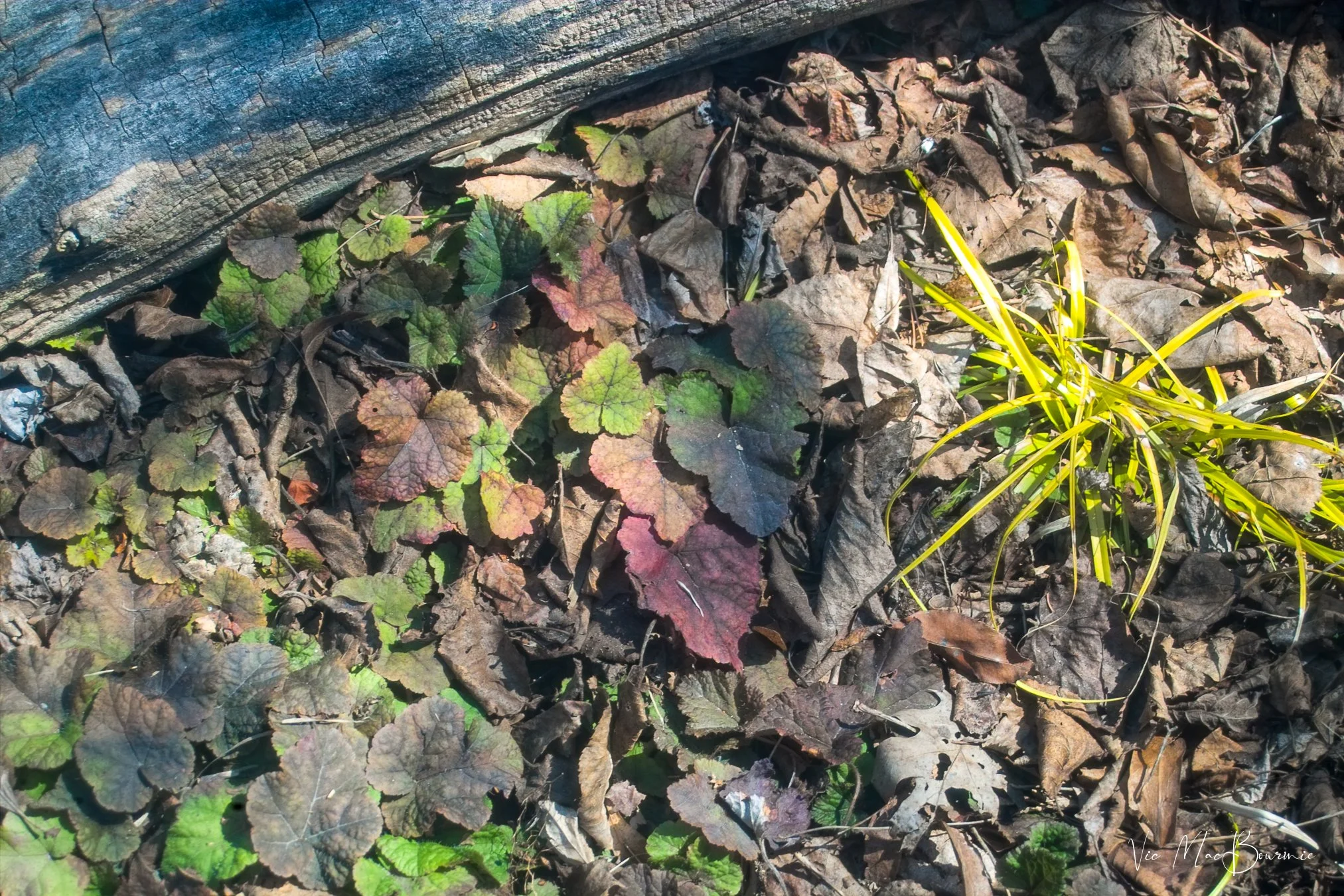
It would be easy to walk by this little vignette and see it primarily as old dead leaves, but the subtle colour of the emerging native foam flower together with the yellow sedge is a reminder of what awaits us later in spring.
So many of us are too busy cleaning up the garden to actually take the time to actually see it. The result is often not only a missed opportunity, but a growing inability to appreciate the smaller things in the garden – the emerging rosettes of our favourite native plants, the tiny leaves of the columbines before they get large enough to flower, the slow unfurling of our ferns.
I am as much at fault as anyone. Like you, I’m always anxiously awaiting the flower to emerge, while overlooking the beauty of the foliage. (For a greater understanding of the role foliage plays in our gardens, check out my posts here and here.)
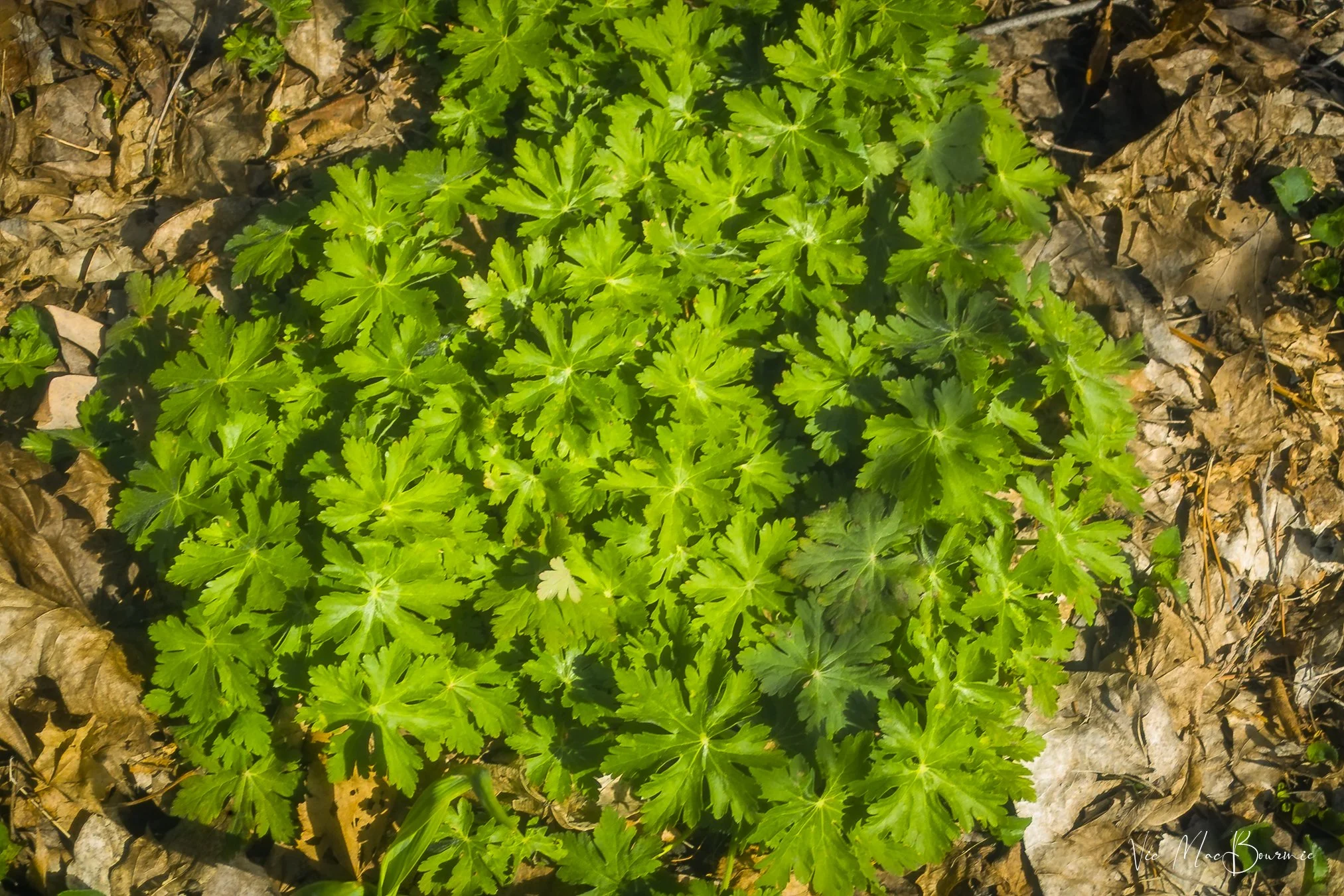
The serated leaves of a clump of wild geranium or cranesbill greets early spring visitors. soon the lovely mauve flowers will emerge providing early nectar to native bees. This relatively low-grown ground cover spreads nicely in the garden and is well behaved. Lifting clumps and spreading them in other parts of the garden is a worthwhile spring chore.
Canadian photographer Freeman Patterson, as well as many others, have devoted entire books on learning to see. Seeing requires us to do more than simply opening our eyes to what our gardens offer. I think it requires a more active role on our part. Getting down on our knees, not just to clean an area around our plants, but to appreciate the tiny little worlds and truly experience the garden.
Get up close and personal, take in the earthy smell, listen to the natural sounds – the wind blowing through the trees, the birds, the spring peepers, the bees even those pesky mosquitos.
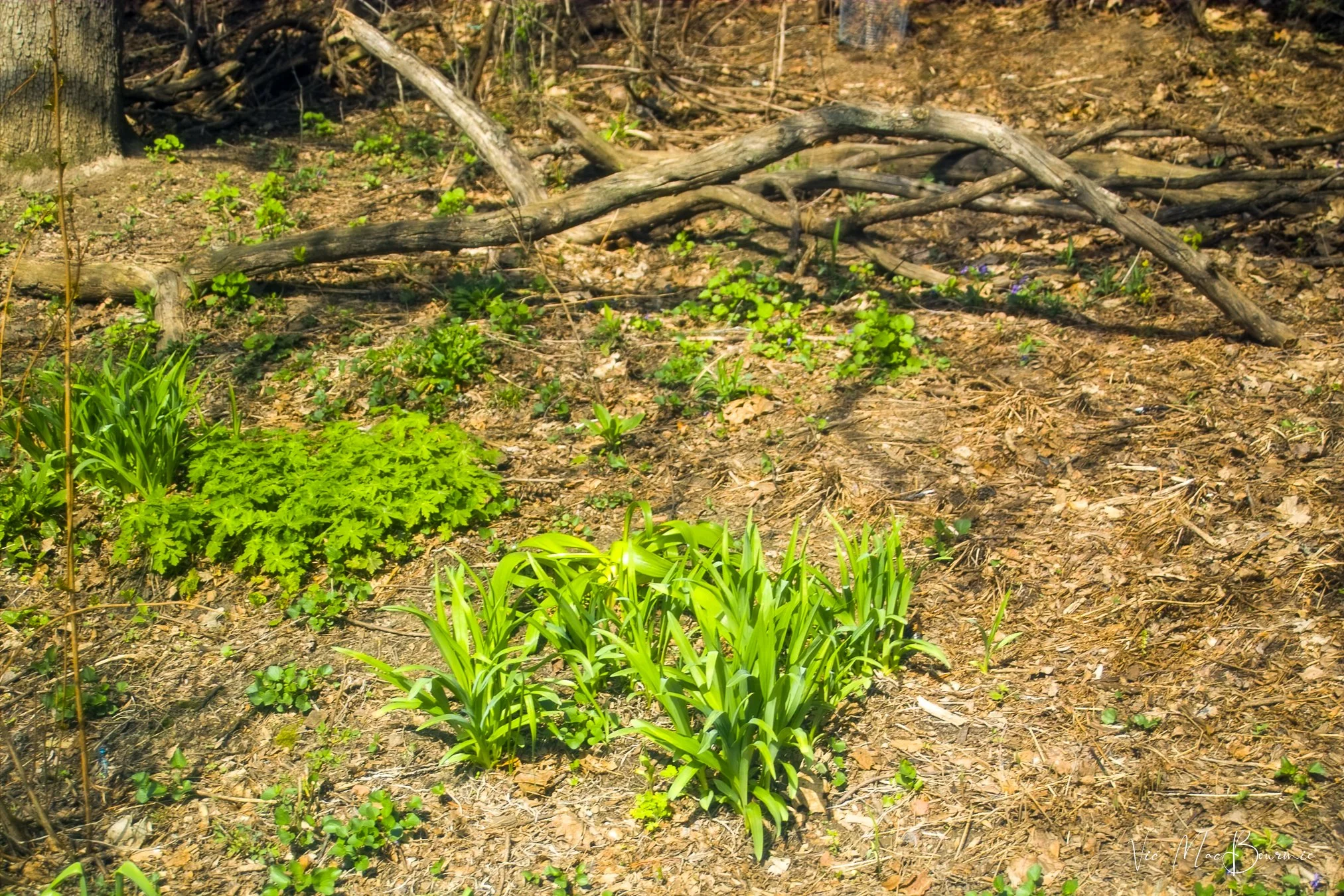
Exposed brown earth, dried up leaves with pockets of emerging greenery are what most of us see at this time of year. But on closer inspection, and a little imagination you might be inspired by the careful placement of the arched branch that serves as a mini highway for chipmunks and red squirrels. Or, the arch of the branch might bring back memories of wild turkeys rooting around the garden like in the picture below. The emerging alliums don’t look very appealing now, but imagine them in full bloom with birds (big and small) flitting about them. Maybe you remember the wild geranium in bloom and covered with native bees.
Seeing – I mean really seeing – can involve all our senses.
Last year, I decided to fully explore the spring woodlands (see: A walk in the woods) around our home. It was an incredibly enjoyable and educational experience wandering through the spring woodlands and watching it emerge over the course of weeks… months. I learned to see the natural woodland in a new way and was inspired to take what I learned and bring vignettes back into our woodland garden.

That same arched branch in the previous image, becomes an interesting piece of woodland garden art as spring rolls into summer. So many times I’ve looked out to the garden and seen birds or chipmunks perched on the curved arch taking in the surroundings. Here, a wild turkey roots around in the back garden.
This year, I plan to experience spring in our own woodland where I’ll explore the art of seeing in the comfort of my own backyard woodland.
If your garden is more traditional, it doesn’t mean you can’t experience many of the same enjoyments and be inspired by the emergence of your garden plants, trees and shrubs.
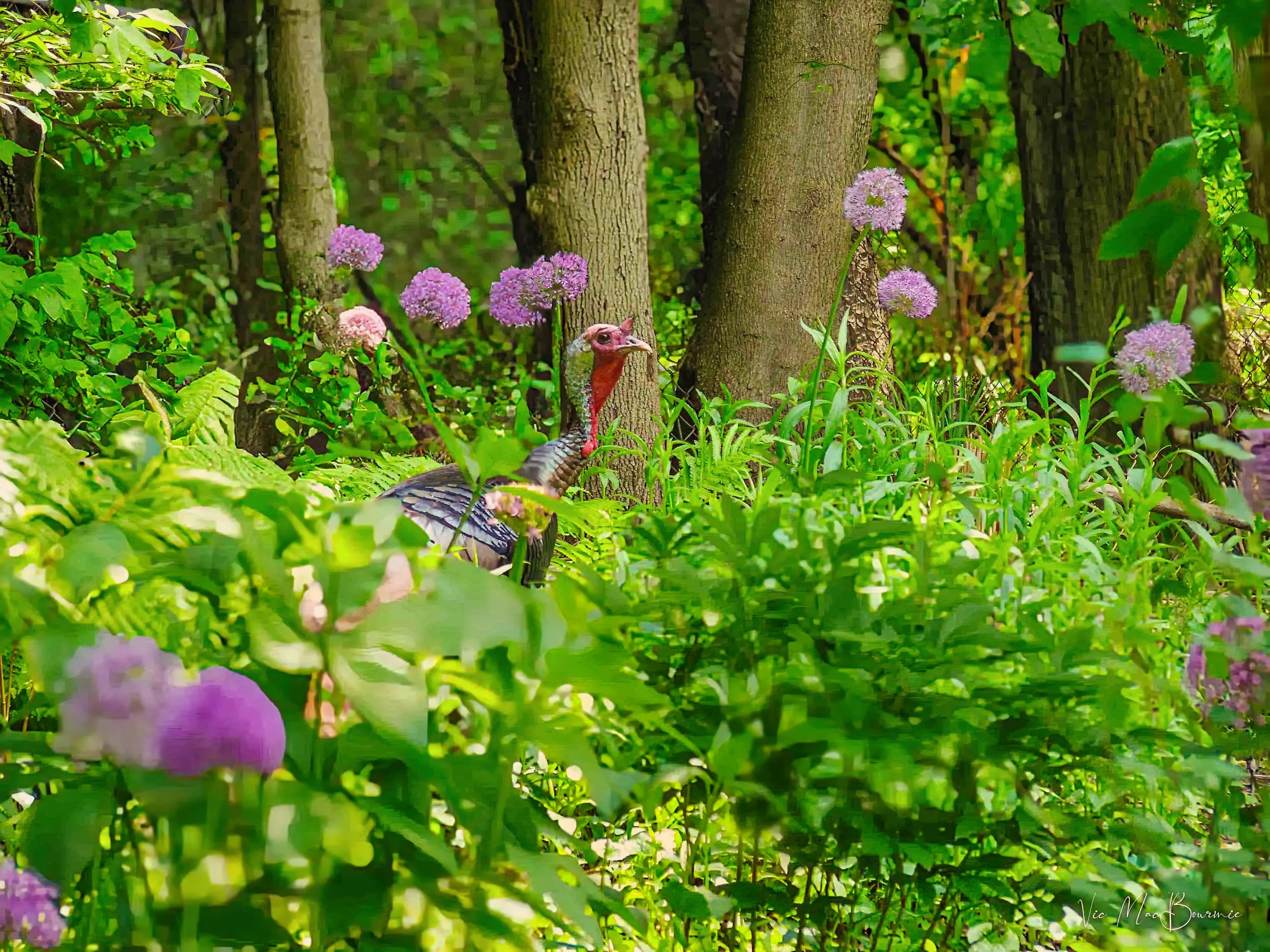
That ugly piece of back garden (see image above) is transformed later in spring and summer with purple alliums as well as some large backyard birds.
Just make the commitment that this is the year you are going to really begin trying to “see” and fully experience the garden, starting from the ugly brown phase through to summer with its explosion of colour, wildlife and visual fireworks.
Come and join me on this journey in the spring woodland where each week I’ll unveil new surprises both visually and through my, hopefully, inspiring and descriptive accounts of my experiences.
Our backyard birds are getting busy
We start this exploration in late April just as many of the plants emerge. At this time neither the hummingbirds, nor the orioles or warblers have invaded the area but they are very close. Our hummingbird and oriole feeders are out and ready for visitors.
Although many of the migrants are still on their way, our backyard feeders are bursting with birds from goldfinches to blue jays, cardinals, house finches, juncos, chickadees, a host of woodpeckers, sparrows and even a colony of crows that visit the backyard on a regular basis.
The following are just a few images of the birds that are hanging out in the yard at this time of the year.
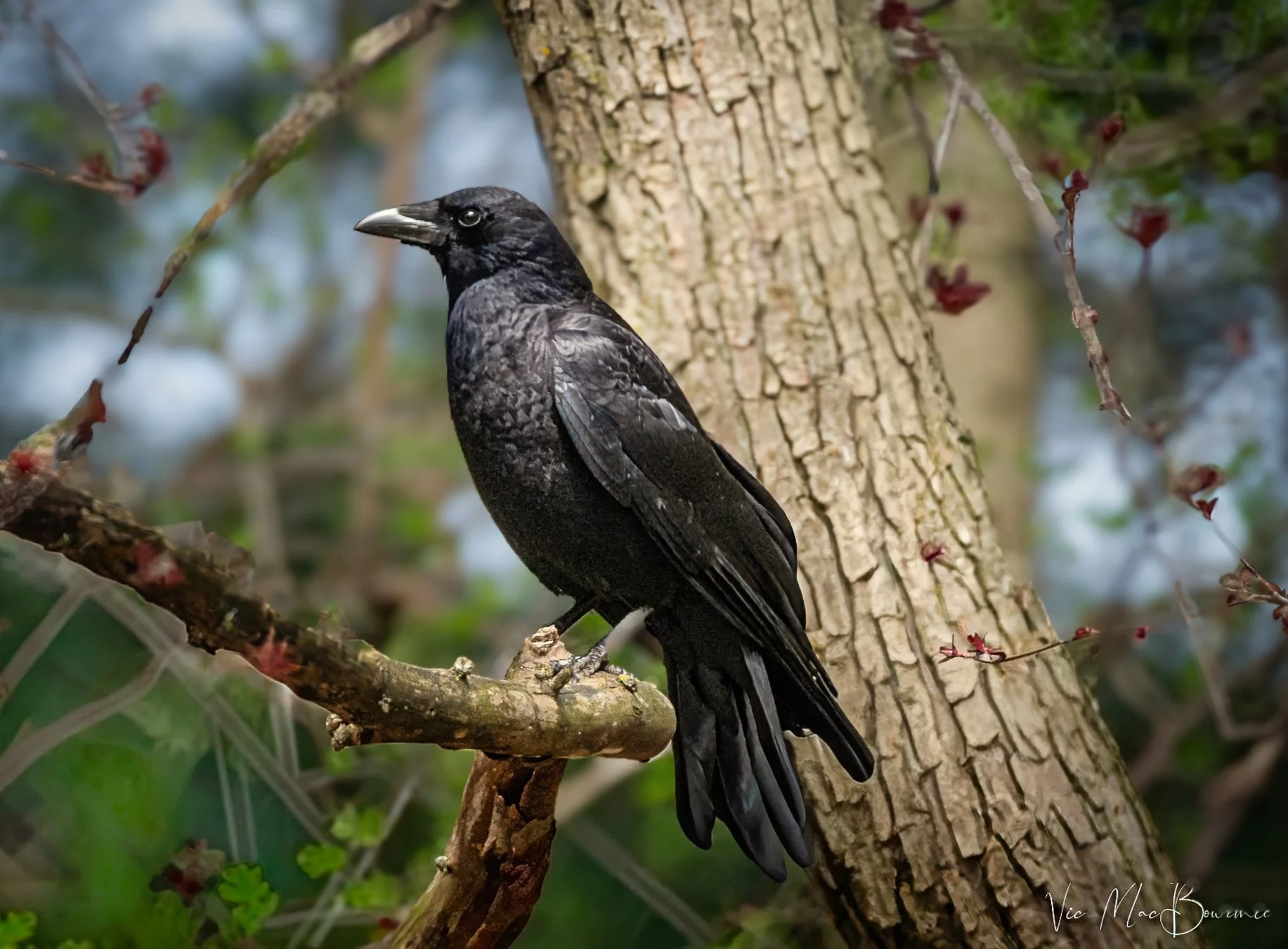
I say it every year that this is the year I am going to befriend our family of crows. This big guy seems like a good place to start.
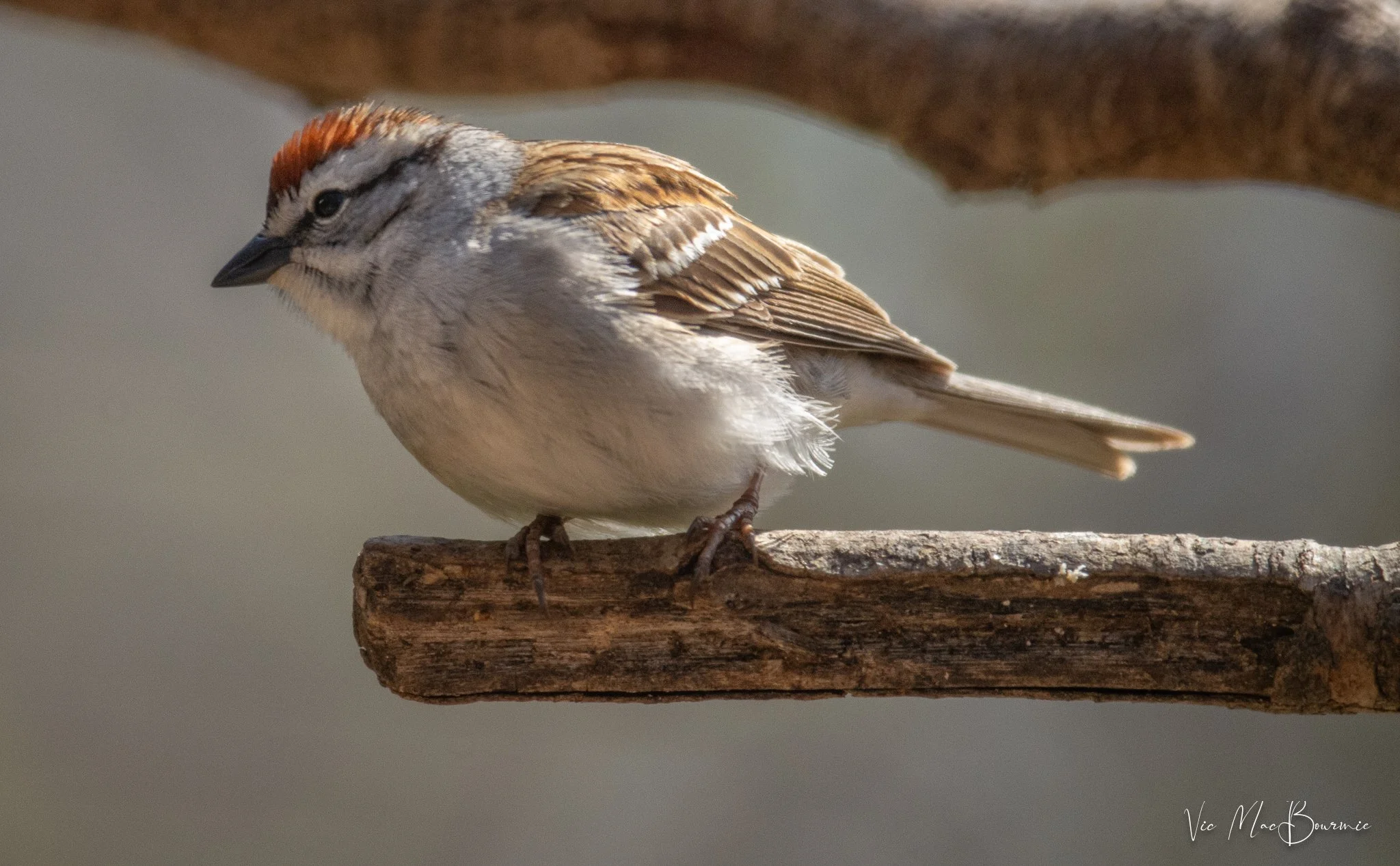
A chipping sparrow hanging out near the bird feeder is always a welcoming site.
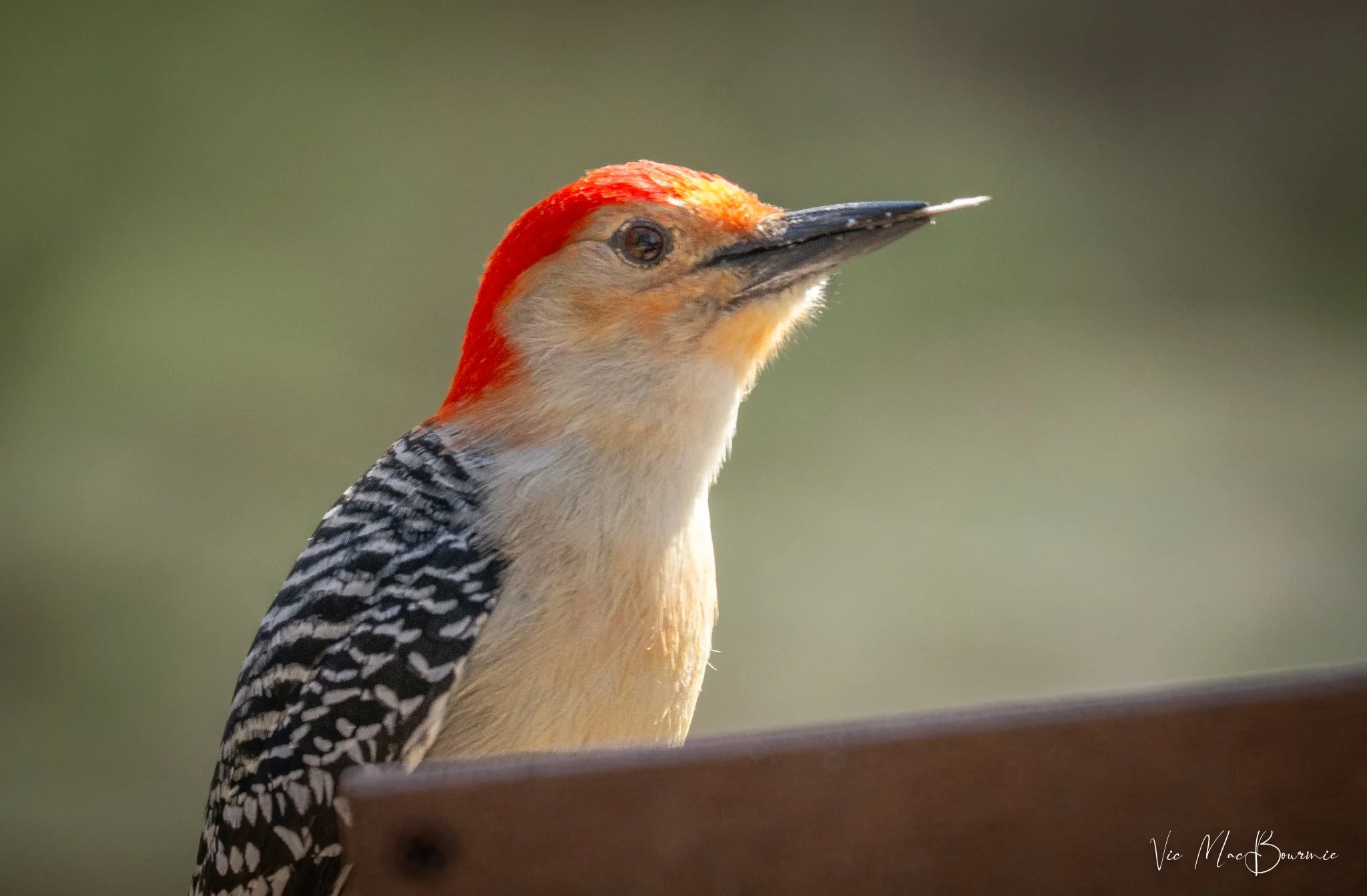
Woodpeckers stick around all winter but are particularly active in spring.
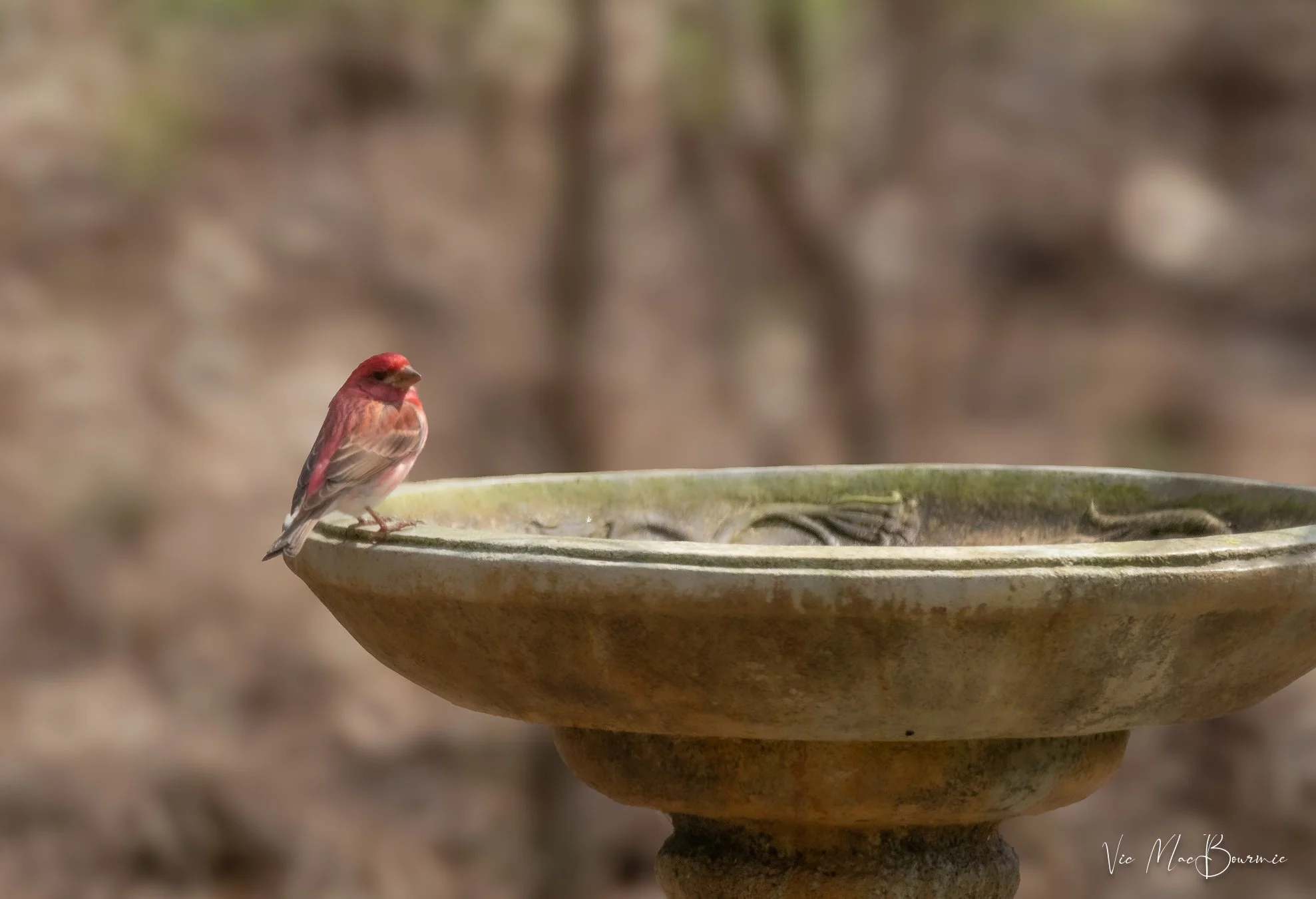
The bird bath is a favourite place for backyard birds in early spring including this lovely purple finch.
Seeing the garden – I mean really seeing the spring garden – can often be expressed not literally but in abstract form. In this ICM (intentional camera movement) photograph, I was able to focus on the white birch trunks without the distractions of green leaves. Later in spring, this image would not be possible because of the foliage that would block the lovely white trunks.
Learning to see different areas of the garden in a more abstract form can be a rewarding artistic experience that forces you to try new ways to use your camera.
If spring in the garden means nothing more to you than the time you have to spend hours in the garden working to get it ready for the “big show,” take a moment to relax, and really see it, experience its hidden beauty, and consider capturing that beauty in a photograph.
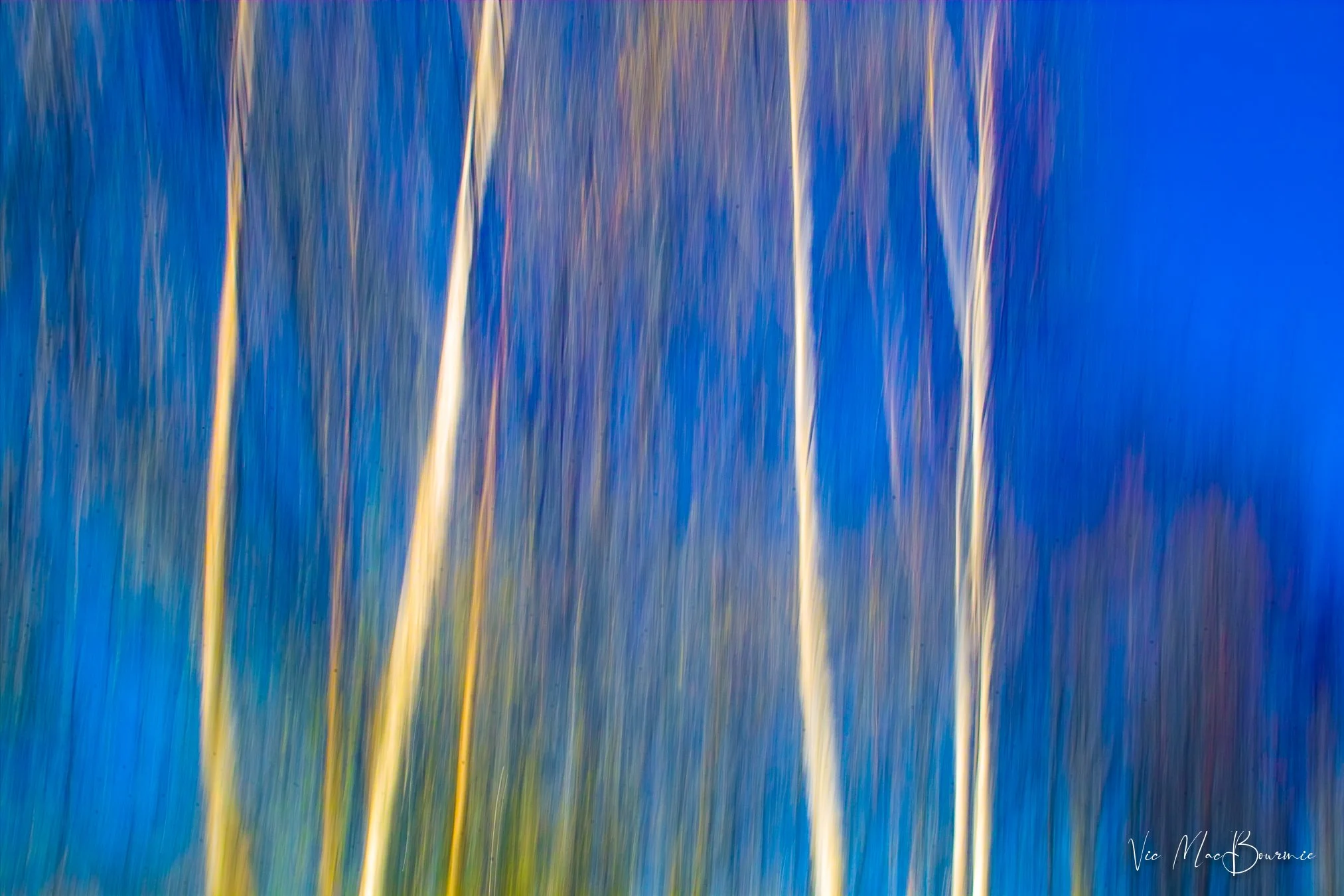
Finally, learning to see in the emerging spring garden can be a visually creative experience. Before the trees green out with leaves, opportunities exist to throw out your preconceived ideas of the garden and truly experience it. This ICM (intentional creative movement) image of our birch tree clumps is an example of what can happen when you let go of traditional ways of seeing.



Creating a woodland/wildlife garden using native plants has many benefits including being able to photograph the wildlife that lives in and visits your backyard.