The “dead hedge” is coming to life
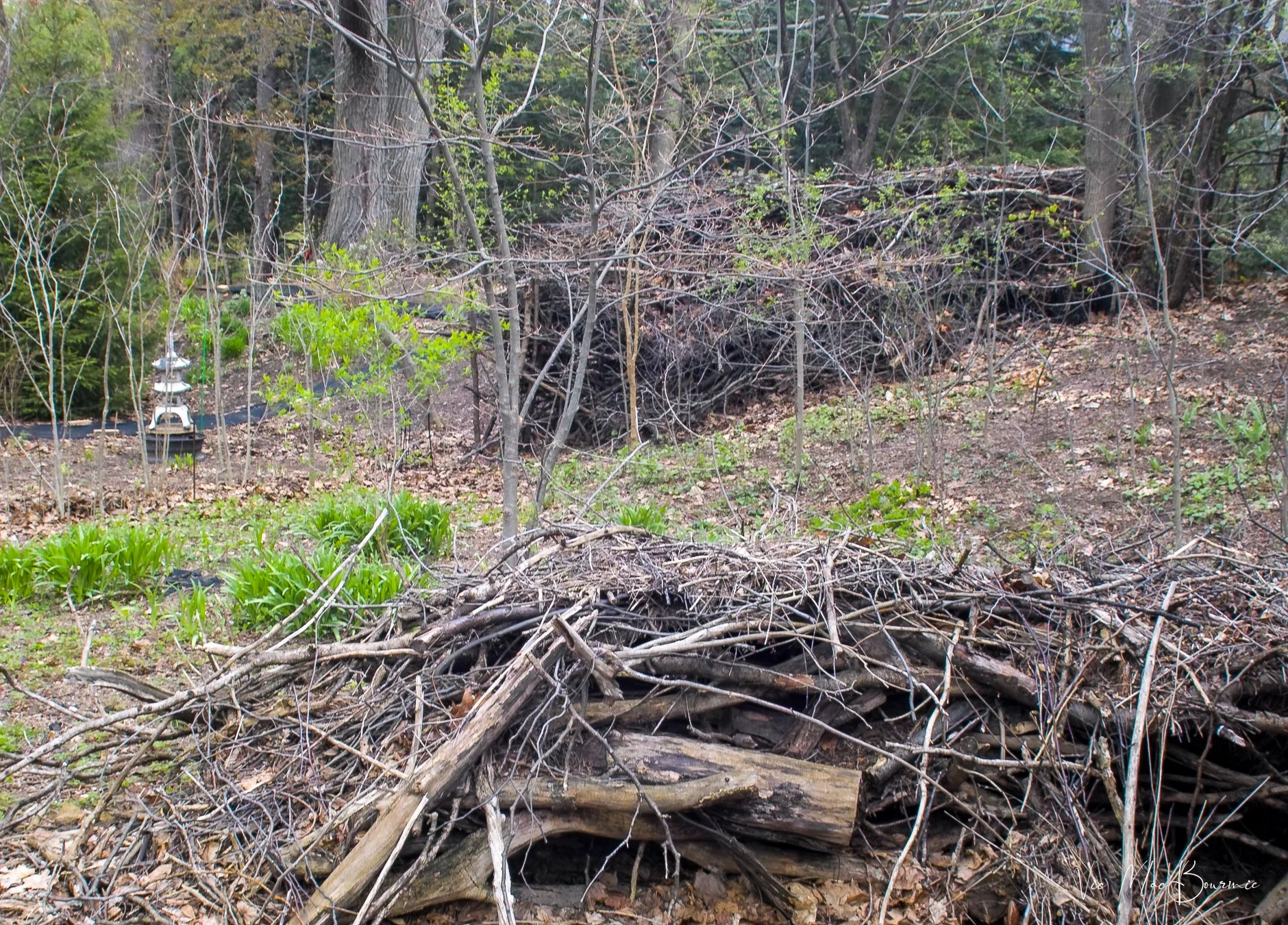
This image shows my brush pile in the foreground with my neighbour’s dead hedge in the background. Although they look similar, the brush pile in the foreground has been built up over years and is much wider covering more ground, while the dead hedge has been built in just the past year and is taller than it is wide.
Dead hedge vs brush pile: Both can create excellent habitat
What do you do with hundreds of non-native trees and shrubs that need to be removed and disposed?
Well, you could do a lot worse than using them as building blocks for what is known as a “dead hedge.”
That’s exactly what my neighbour, Peter, has done with a grove of buckthorn that quickly spread across the back of our properties.
While I yanked mine out and threw them on the top of our massive brush pile, Peter used the larger ones as fenceposts while the smaller trees and branches became the horizontal “filler” for the hedge.
It’s made by stacking branches and garden waste between the posts, which don’t have to be dead trees. You could just as easily use store-bought wooden or even steel posts for the vertical support.
Think of it like a very vertical brush pile, but with a more utilitarian role to play in the landscape.
Using a dead hedge like a fence doesn’t just block views, it creates safe shelter for birds, small mammals, and beneficial insects as well as hangouts for snakes, toads etc.
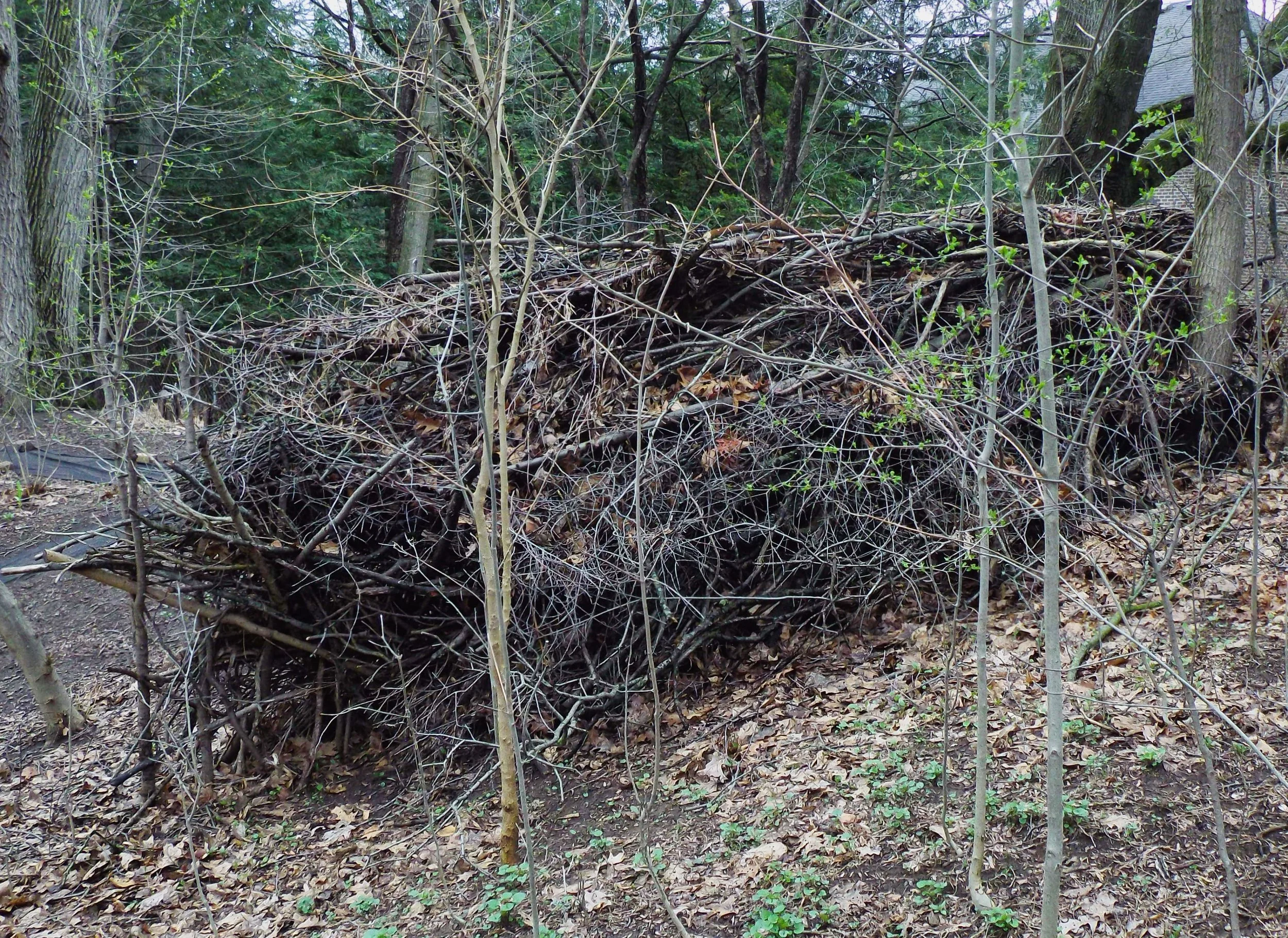
The dead hedge my neighbour built to get rid of piles of non-native buckthorn and other clippings. Rather than put them out in the recycling, he smartly used small trees that were removed as vertical posts and then began piling branches and twigs between them to build a 15-20-foot dead hedge where birds and other small animals and insects can escape to or even build nests in the spring.
The dead hedge fence can turn even the smallest yard into a living habitat and act, not just as a boundary wall like a traditional fence would do, but as n inexpensive way to block a distracting view or eyesore. Now, some would say that the dead hedge in itself an eyesore – and I can understand that argument – but read on for ideas on how we can turn the dead hedge into a living one.
As the dead hedge slowly breaks down – replaced by newer garden material – it feeds the soil and supports fungi and microorganisms in the soil.
The result is another new home and safe place for birds, chipmunks, squirrels and any other living critters that can make use of the structure. Native bees, too, can also take advantage of the dead wood to lay their offspring, especially if you take the time to drill holes in some of the larger branches.
It probably wouldn’t provide the same potential habitat that a large brush pile provides, but its vertical space and dense branch structure provides safety for birds and small mammals looking to escape predators.
Set up a bird bath or bird feeder nearby and you will likely get lots of action.
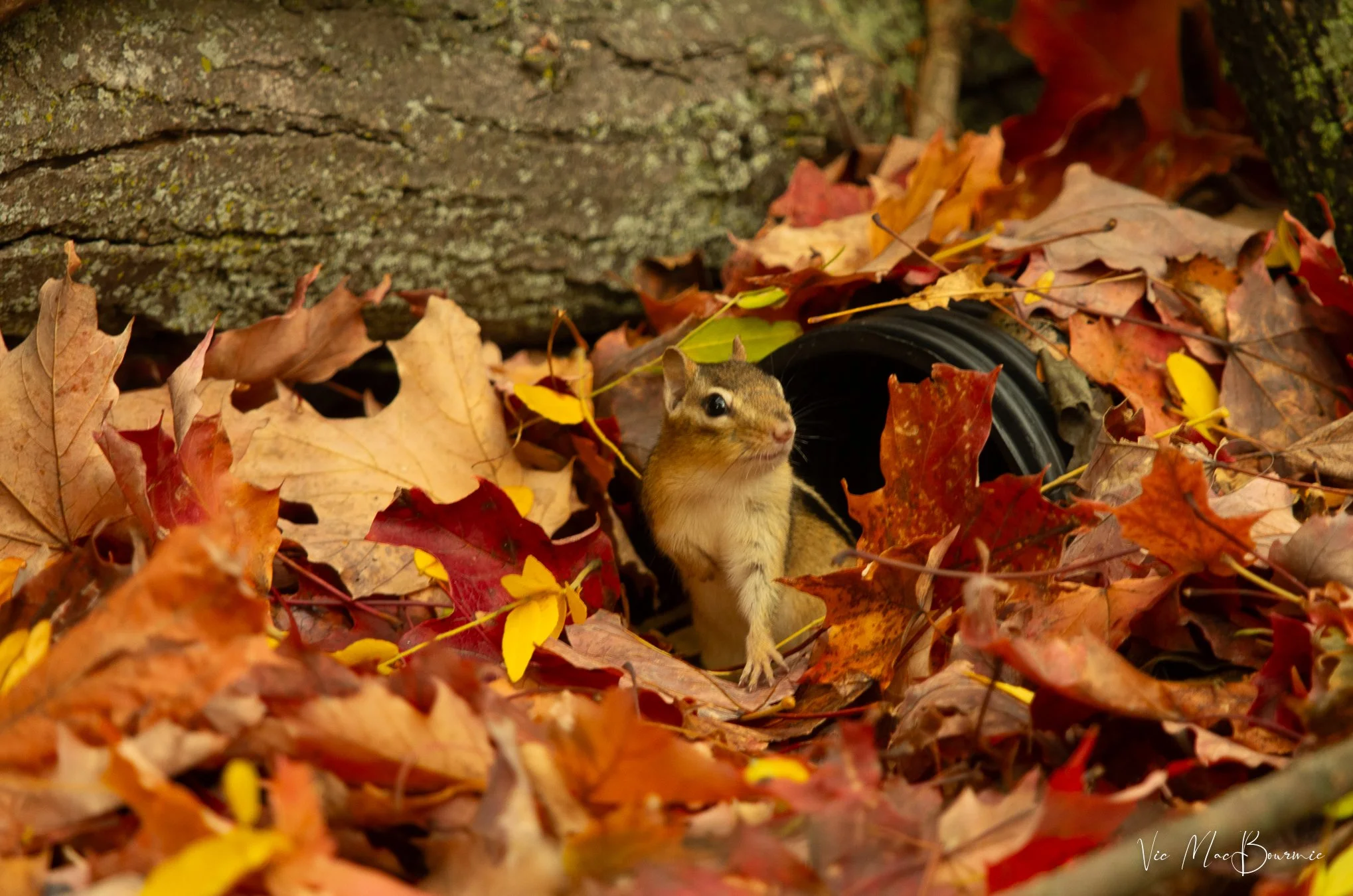
Adding secret passageways in the brush pile in the form of plastic tubing gives smaller animals quick escape passageways for predators such as foxes.
Turn the dead hedge into a living one
I’m thinking the dead hedge would be the perfect place to grow flowering annual and perennial vines to hide the woody brown mass and create a colourful vertical spot for local wildlife to hang out. Vines that attract hummingbirds would be a great choice. In a shady area, consider flowering hydrangea or, even better, Virginia Creeper that offers fruit and lovely fall foliage.
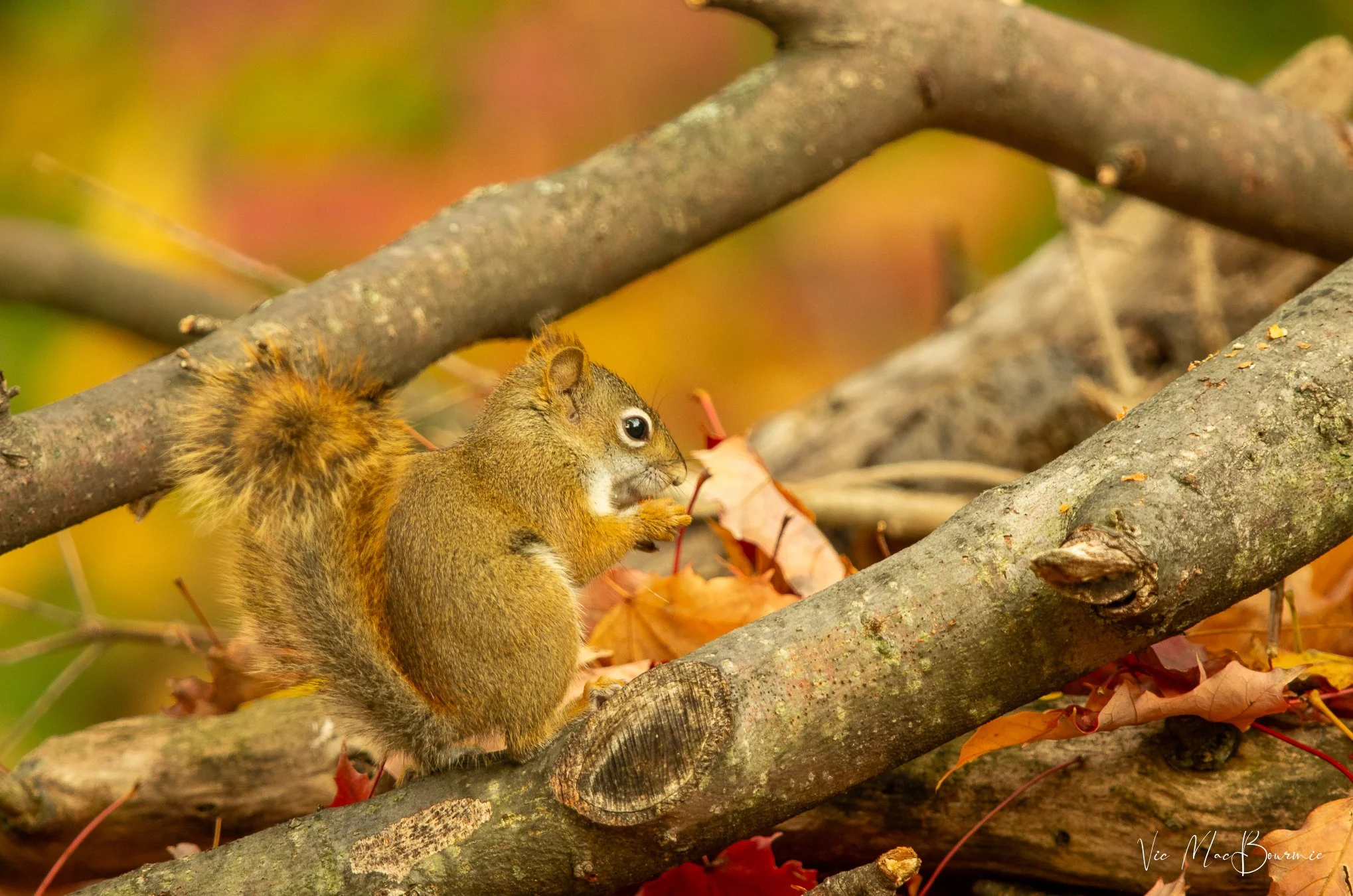
This little red squirrel is comfortable among the many branches of either the woodpile or dead hedge.
Over time, the dead hedge can be built out so that it stretches across a larger area in the yard creating a natural source of privacy, a sound wall that fills with bird song, or a natural wall to create a shady wind break area and the perfect spot to grow woodland flowers.
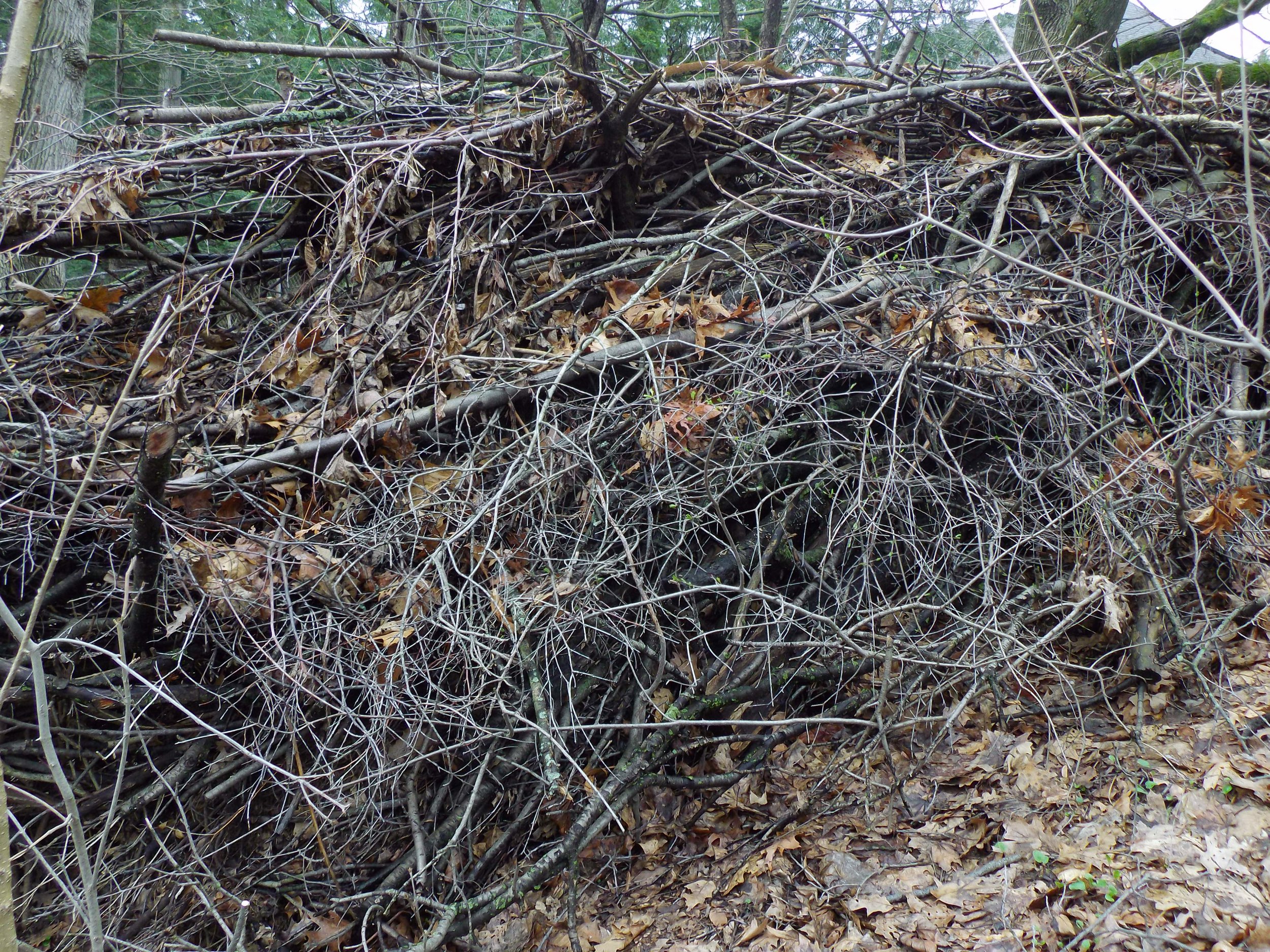
Although the dead hedge looks a little messy in spring, my plan is to allow a number of flowering vines to grow up and over the hedge and create a lovely, living hedge with lots of nooks and crannies for birds and other wildlife.
Safe spot from predators
I’ve added a hanging bird/wildlife water source and a bird feeder nearby to introduce a greater variety of birds and other wildlife to the dead hedge, which gives our feathered friends and other wildlife a quick and safe escape from potential predators.
While the dead hedge may act like a barrier of sorts for larger mammals such as deer, it allows smaller animals to pass through it with relative ease – everything from red and grey squirrels and chipmunks, to possums, weasels and mice.
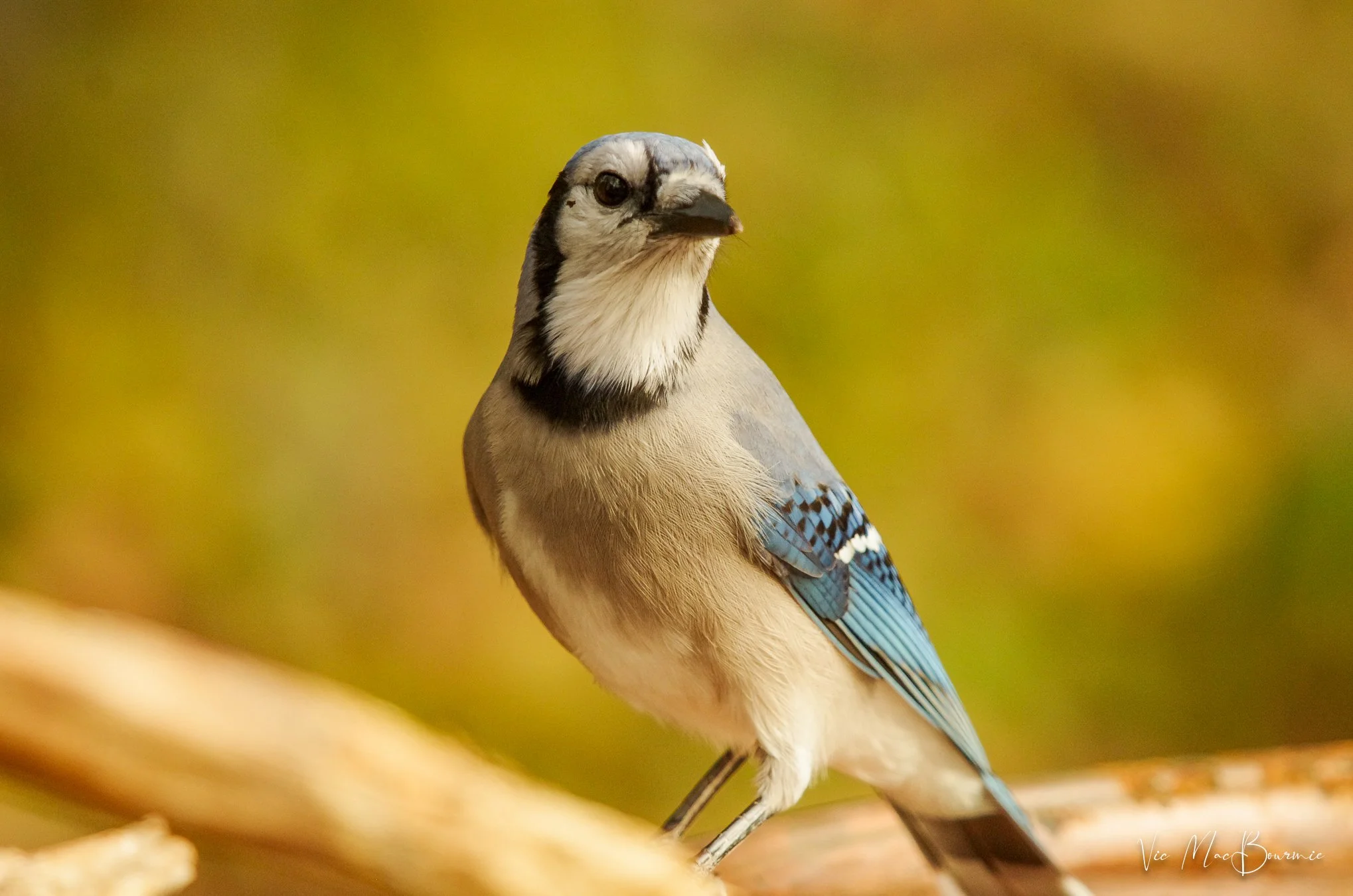
Jays, woodpeckers, warblers and lots of other birds can take advantage of the potential habitat and food source that the dead hedge or brush pile affords them.
Adding to the beauty and usefulness of the dead hedge, is the fact it is free to anyone who wants to take the time to put it together.
Another benefit of the dead hedge/fence is that it does not need to go together in one season –although if you had enough material it certainly could be built in a single season. It’s probably better to think of a dead hedge as a long-term project that can be added to on a yearly basis both vertically and horizontally until you get the hedge to a point where you are satisfied. From that point, simply add to it with your annual pruned branches or garden waste.
Your backyard wildlife will thank you.


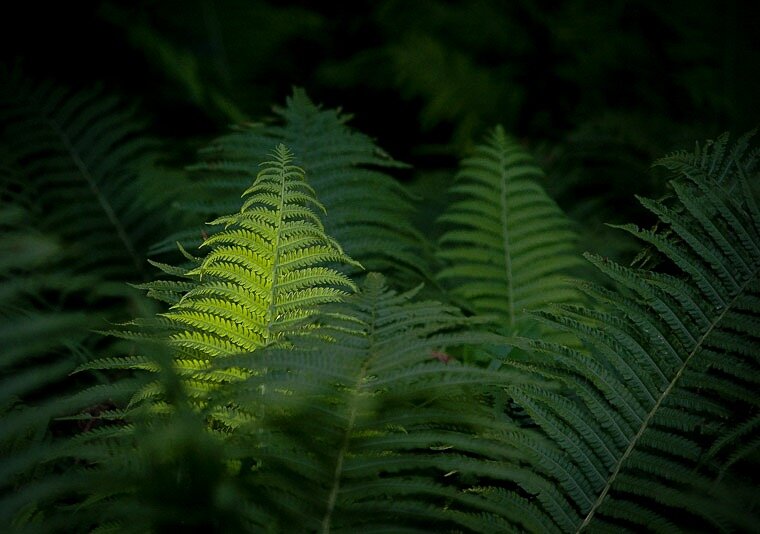


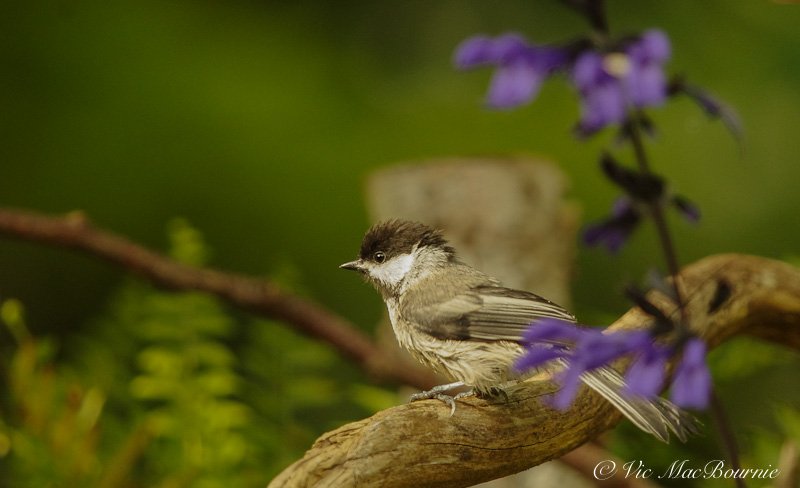


Creating a woodland/wildlife garden using native plants has many benefits including being able to photograph the wildlife that lives in and visits your backyard.