

Falling for the Foveon
The Foveon sensors in Sigma cameras may be difficult to work with but the results can be stunning.

It’s not hard to fall in love with the results of Sigma’s Foveon sensor. This was one of my first images taken with the little DP2 point-and-shoot 14 mega pixel digital camera. They are not easy cameras to manage for a variety of reasons, but once you get it right, the results can be very rewarding.
Sigma’s Foveon sensor finds new ways to impress
Love can be a fleeting thing especially in the world of photography. How many of us bought the latest and greatest camera or lens only to get bored and sell it a year or two later?
That’s why I can totally understand any skepticism you might have for the latest love of my life.
I mean, the headlines say it all. Falling in love with a camera, let alone the sensors in the cameras, is not something most of us would want to admit. Either our love lives are lacking, or we have truly taken this photography thing too far.
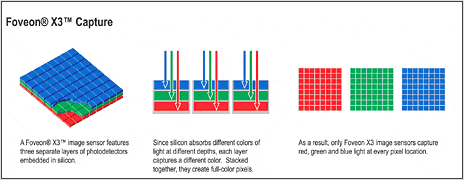
Sigma’s Foveon sensor explained I graphic form.
It my case it involves two Foveon-based cameras – a Sigma DP2 and my most recent acquisition a Sigma DP10. I’m not going to explain what makes a Foveon sensor so special. Needless to say, these unique, rare beasts capture colour like no other sensor in the world. Whereas all other sensors are a single layer that captures all the colours, the Foveon is three sensors stacked on top of one another with each sensor capturing a single colour.
If you are interested in the science behind it all, there are many articles and videos that explain it better than I can. Here are just a few: Wikipedia explains the Foveon Sensor, Sigma SD10 review DPreview.
How long will the affair last?
I bet you’re thinking this love affair is not going to last. Maybe a couple of weeks, even a month or two at most, but “eventually this guy will be begging for the latest Canon, Nikon, Sony, Fuji, Pentax – anything but the incredibly maddening, extremely frustrating and often just plain finnicky cameras and sensors in these very old – almost vintage – Sigma cameras.’
And you’re probably right. But, humour me for a while.
I’ll admit, breaking up before we even get to know one another is a very real possibility. I’ll be the first to admit that these Foveon sensors are difficult to live with, let alone learn to love.
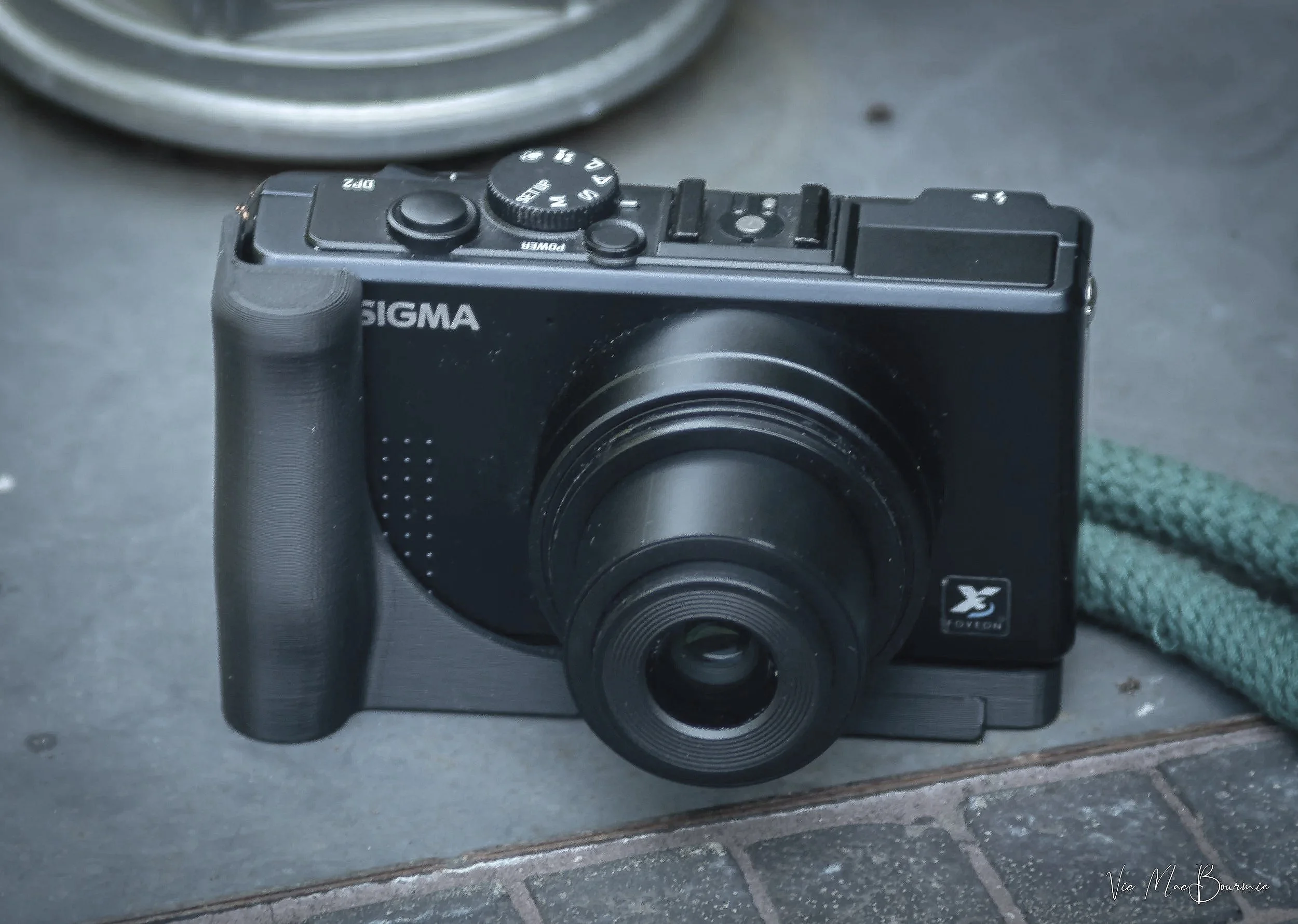
The simple point-and-shoot Sigma DP2 was my first taste of the Foveon sensor and it proved to be enough to want more. So the Sigma SD10 DSLR joined the family. This Sigma DP2 has been fitted with a custom grip. For more on the grip, go HERE.
To be fair, I have already tasted lady Sigma’s Foveon magic for maybe a year in the form of a Sigma DP2. For those not familiar with the camera, it’s basically a brick of a point-and-shoot camera with a 41mm fixed f2.8 lens and an APS-C-sized Foveon sensor. It was released in 2008-09 to much fanfare but has since faded into near oblivion for most photographers except those crazy enough to fall in love with what this older mistress can deliver.
It’s been replaced by newer, even more capable Foveon based cameras.
From CCD to Foveon: A comparison in the making
Many photographers searching for simpler times and the nostalgia of the elusive film aesthetic turn to CCD-sensor camras. However, photographers looking for the ultimate in “film-look” with unquestionable detail, micro contrast and outstanding colour science, gravitate – or should I say lust for – a Foveon-sensored camera.
And when I say film-like quality, I’m not talking Kodak Gold 200 or some other run-of-the-mill film you could pick up at the corner store, I’m talking the chromes – slide films like Fuji velvia and the Kodachromes.
I should add that the only camera manufacturer using the Foveon sensor is Sigma. Kodak tried it in the past and quickly gave up on it. So, Sigma bought the company and the rest is history.

Sigma SD10’s Foveon sensor shines in this image of an early spring woodland with moss-covered rocks.
The Sigma seed gets planted
It was the Sigma DP2 high-end, point-and-shoot camera that led me to the Sigma SD10.
Never heard of that one? Neither had I until I came across one on Facebook marketplace. I checked for the type of sensor it sported and lo and behold it was the second-generation Foveon sensor with a whopping 10 megapixels.
Okay, I’m in, let’s take a closer look at this DSLR camera.
It’s old, I mean really old.

The Sigma SD10 paired with the Sigma 24-70mm f2.8 makes for a great team, able to capture fine detail and colours. This image was shot at ISO 100, f8, at 1/30th second on a tripod. It was post processed in Lightroom and Luminar Neo.
In fact, in digital camera lingo, this thing is well past retirement age. My copy however appeared in perfect condition – except for some dust on the sensor that has been removed for the most part.
The Sigma SD10 made its debut in the market back in 2003. That was the same year Canon brought us the EOS 300D and EOS 10D. Olympus chimed in with its E-1 – the first DSLR designed solely for the digital Four Thirds system. Pentax released its first DSLR in the form of the Pentax ist D, (which I happen to still own and use). Nikon came through with the D2H – a high-speed professional 4.1-megapixel camera aimed at photojournalists.
These cameras all earned a following and positive reviews from photo enthusiasts discovering the joy of digital cameras.
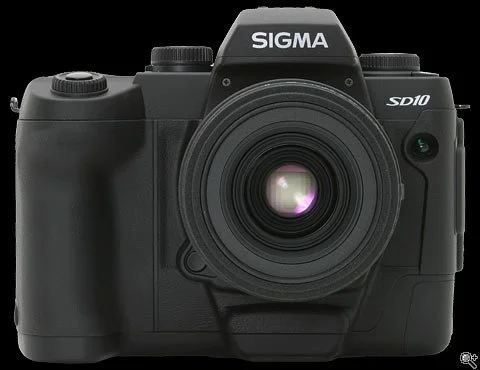
The Sigma SD10 is a beast of a camera with n impressive build quality.
The Sigma SD10, maybe not so much.
Its Foveon sensor made it “difficult to use.,” Slow write speeds, noisy images above iso 200, limited lens selection and brutally slow post processing of its RAW-only images in Sigma’s own and very frustrating Sigma Photo Pro. There were no quick-and-dirty jpegs for SD10 users to throw up on-line or show their friends.
Everything about this camera was, and still is, slow and methodical.
And that suits this old, slow-moving photographer just fine.
I should say things have improved slightly in the processing department. Sigma’s proprietary RAW images (known as .X3F files) can now be processed in Lightroom and Photoshop, making post processing so much easier.
This post is not intended to be the most comprehensive review of the camera. Those reviews were done more than 13 years ago and have been updated over time, but it is meant to give readers a taste of the Foveon sensor’s capabilities in both its DSLRs and high-end point-and-shoot cameras.
So, let’s just see what this old girl can do in 2026 shall we.

This image shows a variegated Cornus Mas dogwood and multi-stem Eastern Redbud in bloom. Shot on the Sigma SD10 with the Sigma 24mm-70mm f2.8. You can see the fine detail the camera is capable of producing.

The Sigma SD 10’s Foveon sensor captures micro detail that other sensors are unable to process in the same way. The tradeoffs are numerous and not for the faint of heart. This image was handheld and shot at iso 200, f3.2 at 70mm. Shooting at iso 200 is really approaching the upper limit for these cameras.

The Sigma SD10 with its Foveon sensor is an idea camera to capture detailed landscapes. Another hand held image 160th second at f5.6 with the Sigma 18-50mm lens.
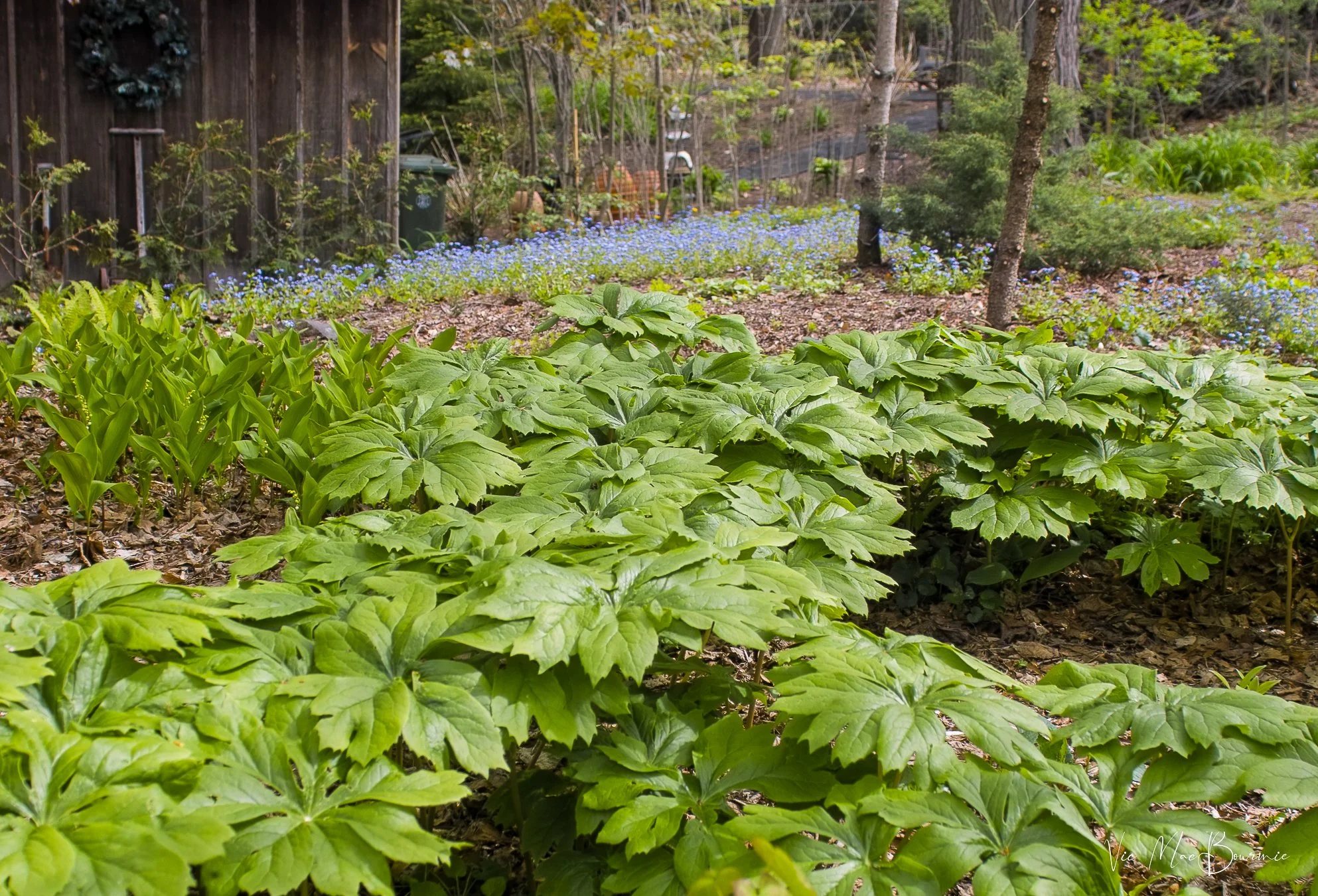
This wide angle look at our native Mayapple blooming in the woodland garden. Notice the lovely greens that the Foveon sensor is able to capture. Shot at iso 100, at f5.6 and 1/80th sec.











The Foveon sensors in Sigma cameras may be difficult to work with but the results can be stunning.