Tamron’s 500mm mirror lens: A forgotten gem
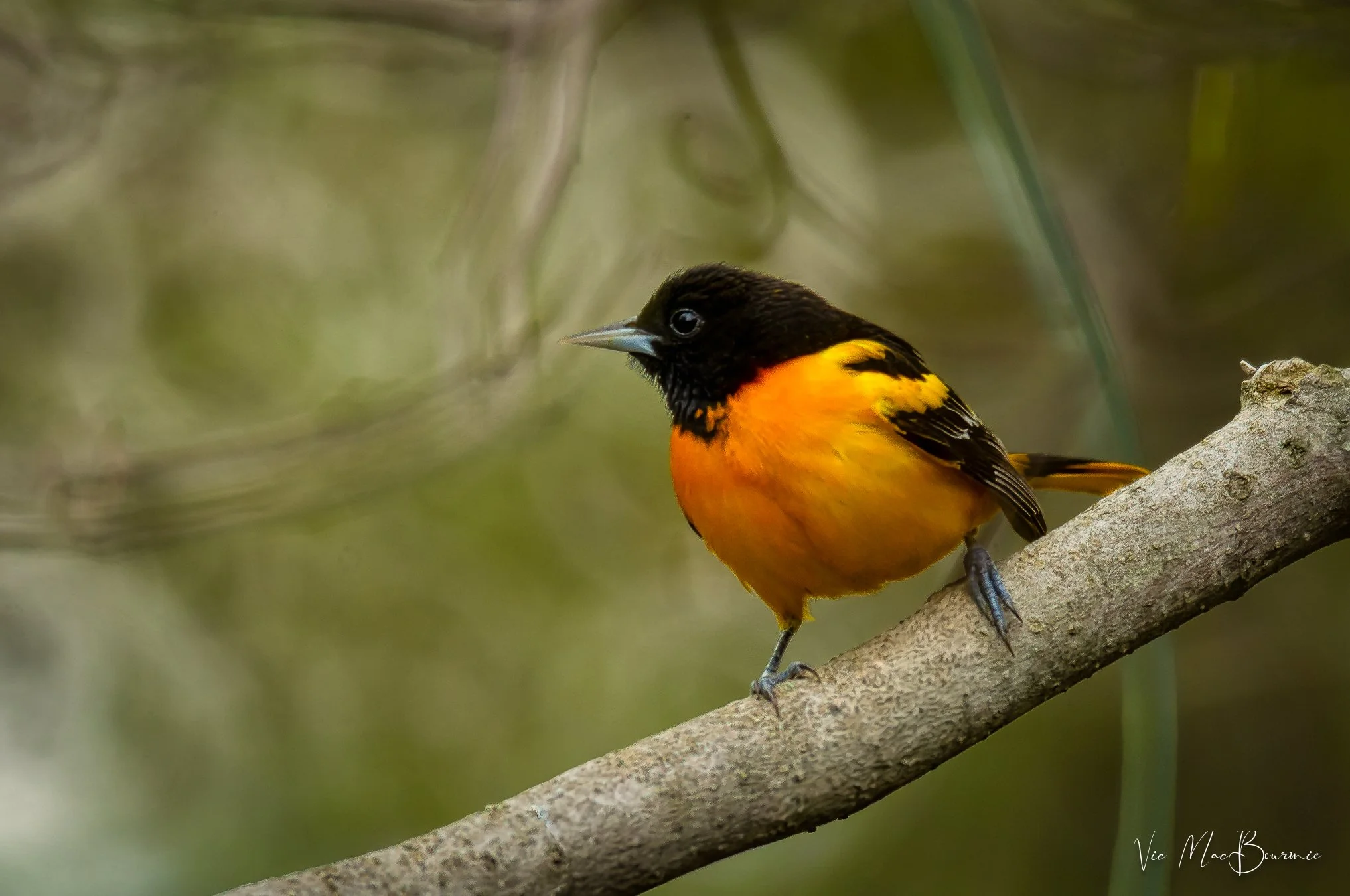
Here a Baltimore Oriole takes a moment before flying down to a feeder set up with oranges and grape jelly. The 500mm mirror lens with the added reach on the APSC camera allowed me to get in close. Who said these lenses are not capable of sharp images? The mirror lens’s bokeh also created this almost painterly background.
Modern cameras and post processing turn vintage lens into a woodland/wildlife gem
Years ago, I owned a Ricoh 600mm mirror lens. It was an f8 lens at a time when Kodachrome 64 was the film of choice and every image cost more than a few pennies.
The combination of manual focus with a darkened f8 viewfinder and a very slow shutter speed, together with a minuscule depth of field, made getting proper focus extremely difficult. Successful images were few and far between and the cost of film made using it difficult to justify.
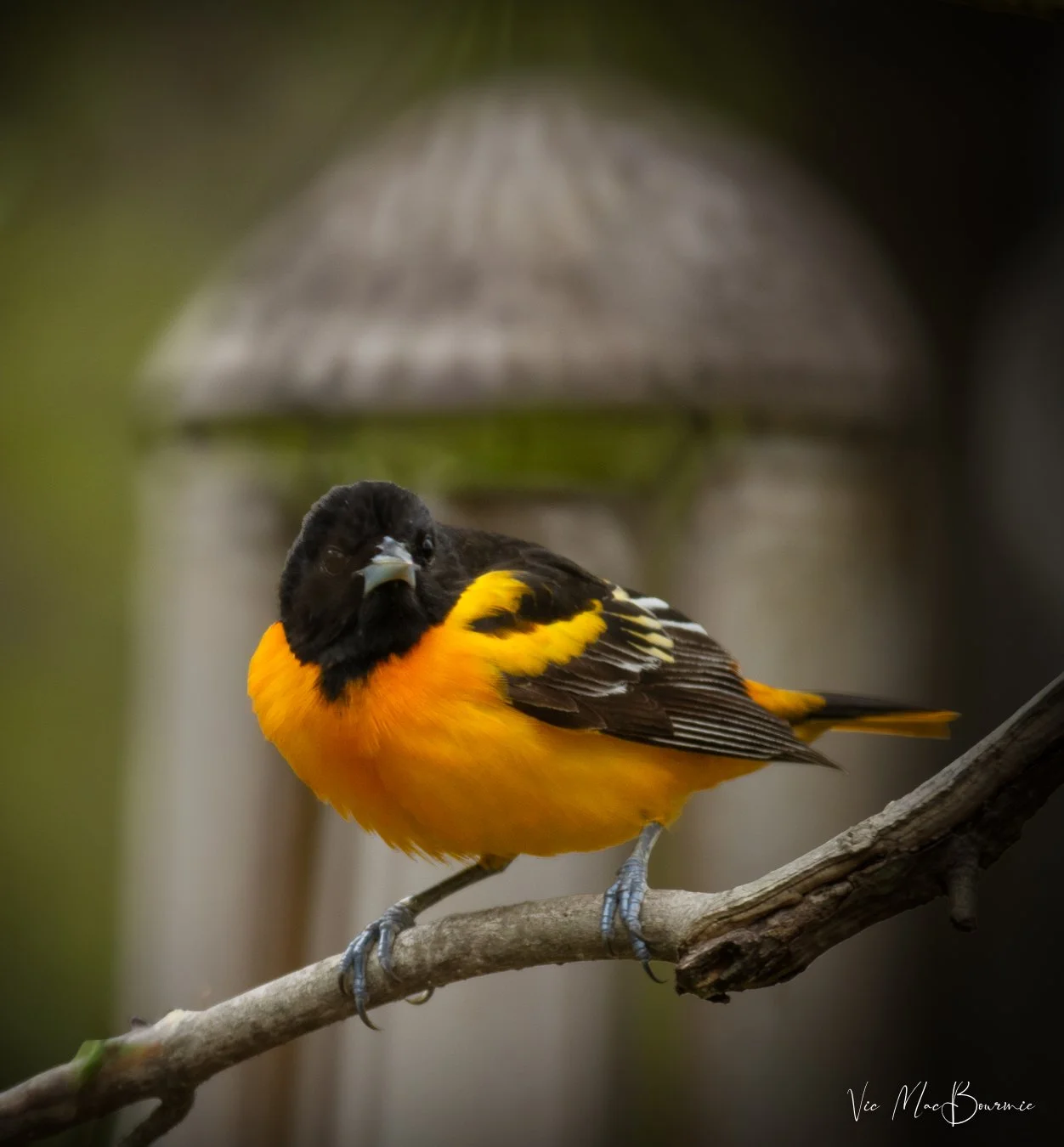
This image of the Oriole again shows the interesting bokeh the lens displays if there are no strong highlights in he background.
Needless to say a tripod and static subject was almost a necessity for success. And even then, it was wise to take several images to score a few respectably sharp ones.
Over time, that can get quite expensive, not to mention frustrating.
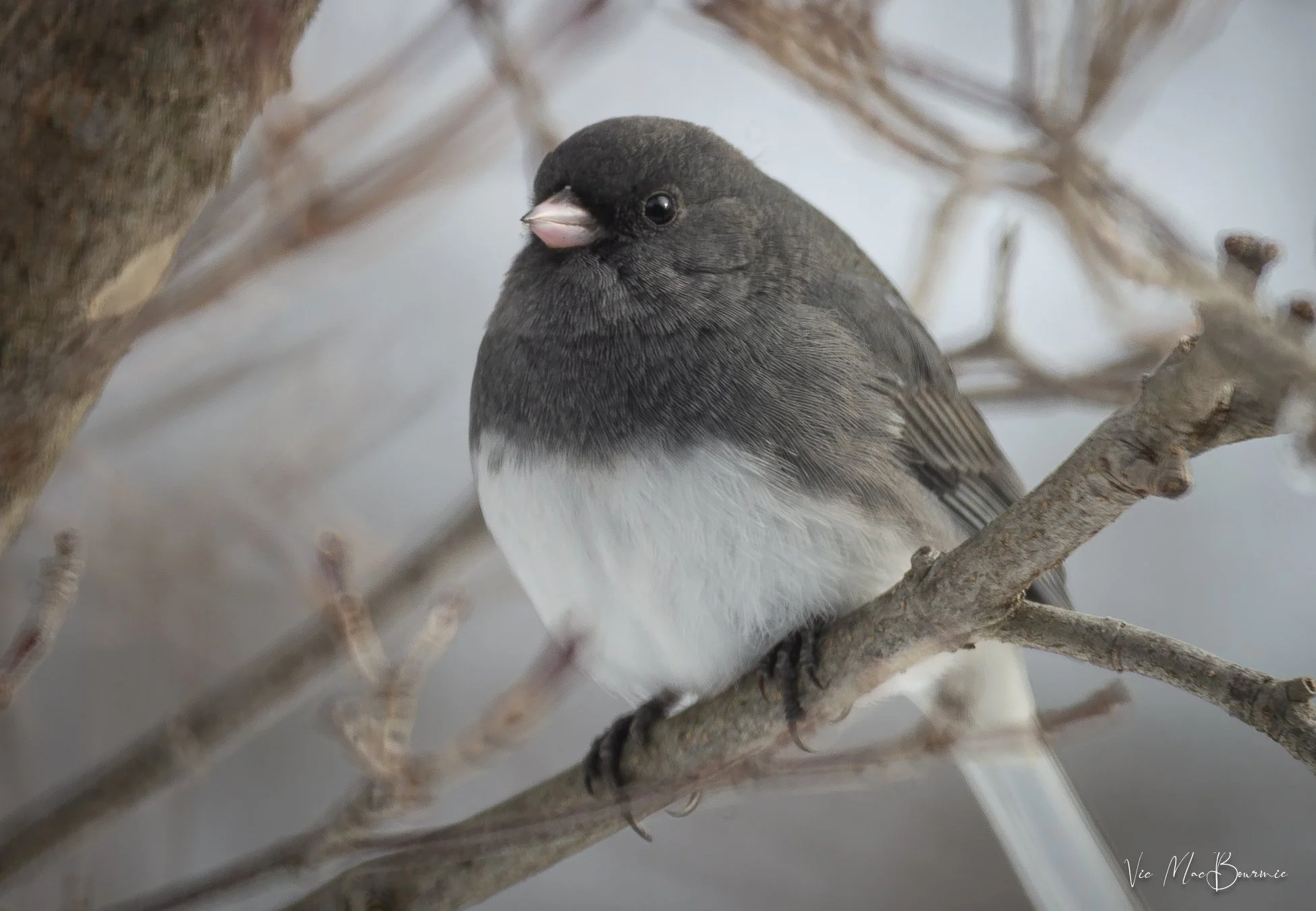
This image of a dark-eyed Junco was photographed through the double-paned windows of our back French door with the 500mm mirror lens. I think sharpness is certainly acceptable and although there is hints of donut bokeh, the overall bokeh is very nice in this image. Finding a simple background is key to success with mirror lenses.
A lot has changed since then, and a long supertelephoto mirror lens with a fixed F8 aperture is no longer considered quite the liability it once was.
Modern in-camera stabilization or IBIS, the ability to dramatically increase ISO and the freedom to shoot an unlimited number of digital images at no cost, transforms the mirror lens’s capabilities. Add to that, modern post processing programs with AI sharpening capabilities, and those near misses resulting from the super shallow depth of field, quickly become a thing of the past.
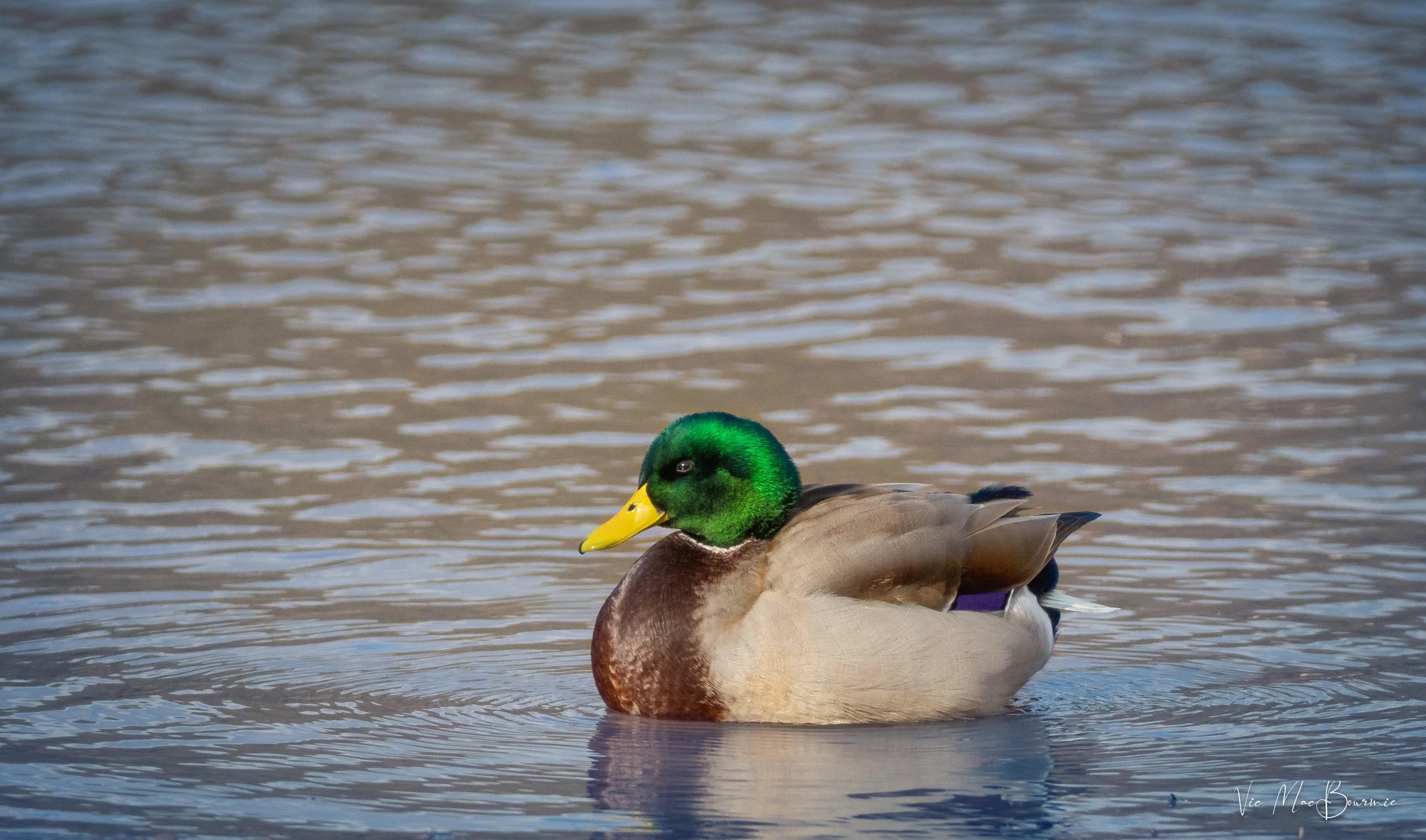
This mallard shows the possibilities of the 500mm mirror lens with a simple background.
In the short time I have owned the lens – and thanks to modern technology – I have found a corner in my camera bag and arsenal of photography tools for the Tamron 500mm constant f8 mirror lens. A major plus for the lens is its incredibly small size and especially its weight at only 575g.
And, for the mere $75 Canadian I paid for the mint-condition lens, I can say that it has already easily paid for itself a couple of times over. I expect even greater things in the spring, when I can get out and really put it to the test.
Just for comparison, a modern autofocus Nikon 800mm f6.3 lens will set you back about $8,500.00 US, or well over $10,000.00 Canadian. Now, it may not be fair to make the comparison, but it’s nevertheless still interesting. I guess it’s better not to even mention the $29,000.00 U.S. Canon 1200mm f8.
If a super telephoto lens with the latest autofocus technology is not something you would use regularly, a mirror lens like this Tamron SP 500mm might be the perfect compromise. I’m currently using it with my Pentax K5 APSC camera but will also be mounting it on my M4/3 bodies with an adapter. And, if I ever have the desire to shoot for the moon, attaching the 500mm mirror lens to my Pentax Q would give me the equivalent of about a 2,500mm lens.
Now that’s some pulling-in power.
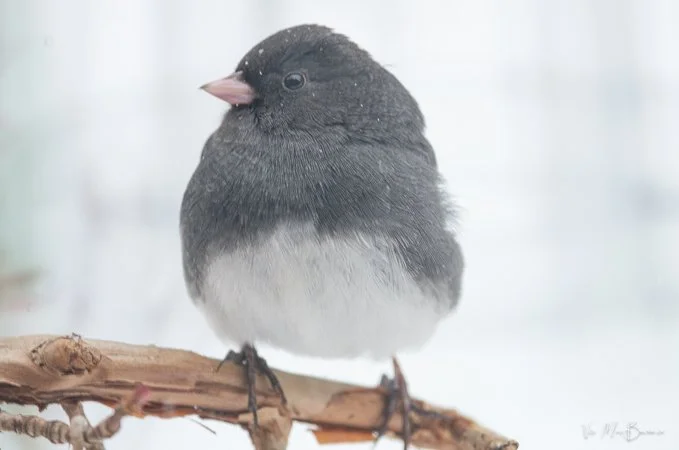
Shooting through a double-pane French door at the birds outside my windows can result in some nice keepers when the weather outside is way below freezing.
In the meantime, I’m enjoying putting my $75 mirror lens through its paces in the eye of a Canadian cold front.
Mirror lenses making a comeback
If you’ve been following the latest trends in photography, you’ll know that mirror lenses are beginning to have a little resurgence of late.
TT Artisan, for instance, has released a tiny 250mm f5.6 mirror lens (Amazon link) that is making waves among photographers looking for a small, carry around lens with some telephoto reach. Its small size makes it perfect to carry around and the shorter focal length makes it easier to use whether you are shooting landscapes or street scenes.
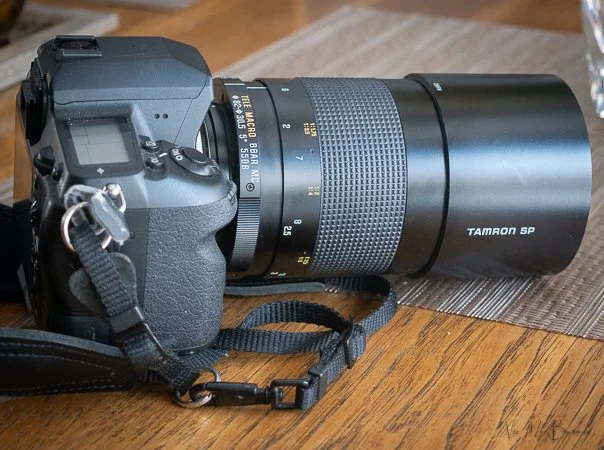
The Tamron 500mm mirror lens fitted to my Pentax K5 APSC camera making the effective focal length approximately 750mm.
And the donut bokeh that was always cited as a problem in the past, is being embraced by a new breed of creative photographers looking for a way to have their images noticed on social media.
But that’s not the only reasons mirror lenses are making a comeback.
Let me explain.

This goldfinch was also shot through a double-pane French door with the 500mm mirror lens. Notice the unusual bokeh giving the image a lovely soft look. This bird and the Junco above were just a few feet away 5-6 feet, allowing me to take advantage of the close-focussing ability of the lens.
Super telephoto that fits in your bag
On my APS-sized sensor on the Pentax K5 with IBIS, that 500mm becomes a close-focusing 750-800mm, f8 lens. Not only does the in-camera stabilization make it hand holdable in bright conditions, but the ability to bump ISO to unheard of levels when the lens was originally released in 1979, turns a once almost unusable lens into an everyday carry for photographers looking for an inexpensive super telephoto that easily fits into a camera bag.
It’s long reach is really only half the reason for my recent love affair.
Close-focussing from a distance
Its close-focussing capabilities are also worthy of mention. With a minimum focussing distance of 1.7meters (around 5-6 feet) and a magnification ratio of 1:3, the possibilities in the garden are endless.
The birds in this post, for example, were mostly right outside my window. And, while I had my fair share of throwaway images due to missed focus, the keepers make it all worthwhile.

Another image of a goldfinch shot through a double-pane French door with the Tamron 500mm mirror lens.
Unusual bokeh can be a benefit
The other half is the unusual bokeh this lens exhibits. I’m not talking about the weird donut rings that can be effective but are mostly just annoying unless they are used creatively, I’m talking about the “other” bokeh few people seem to focus on when talking about mirror lenses. It’s a painterly effect that can be quite beautiful given the right situation.

This sleeping screech owl is the perfect subject for the 800mm equivalent lens on an APSC camera like the Pentax K5. In this case, a monopod helped me steady the camera and lens.

Here, the specular highlights are bringing out the donut bokeh in the lens that can prove to be a little distracting to many viewers. It can, however, be used in a positive way for creative results under the right circumstances.
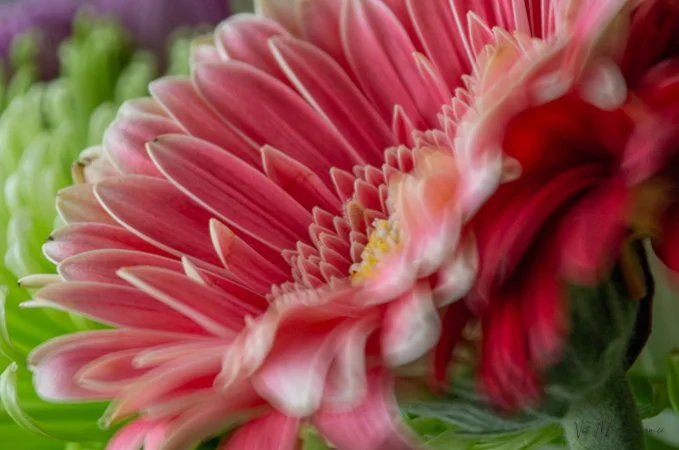
Another closeup image showing the flexibility of the 500mm mirror lens. At one moment you might be shooting a bird in a distant tree, and the next, a closeup of your favourite flower.
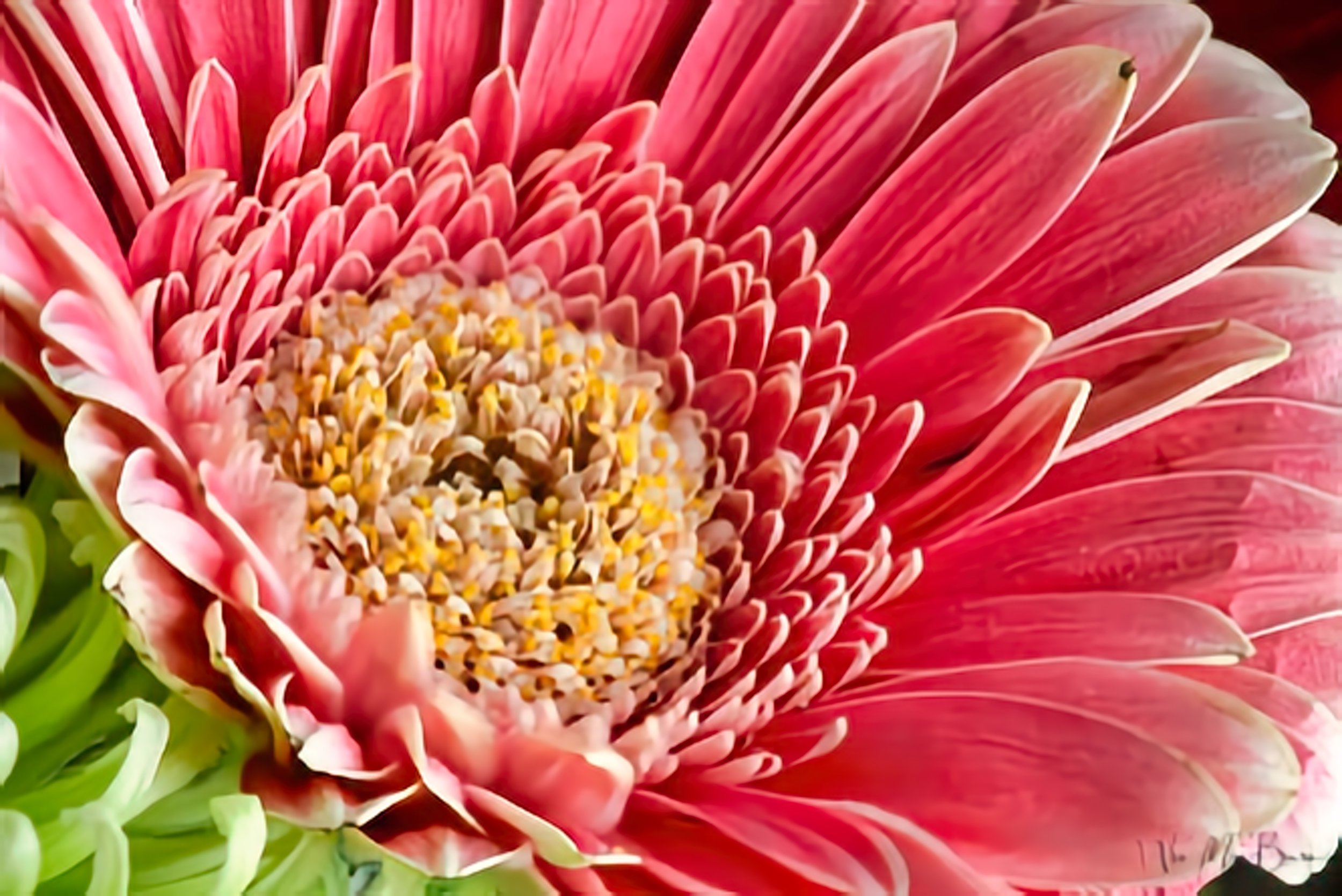
This extreme close-up of a flower is actually two images stacked together. Both images were taken with the 500mm mirror lens. Modern post processing programs help make the lens even more useable.
The owl image above gives a hint of the painterly bokeh in the out-of-focus green leaves in the background. The image below of a Junco in a snowstorm with two textures added, takes the painterly look to the extreme.

This is an interesting image that you might love or hate. Focus on the sparrow was a little off, but the overall softness of the image made it the perfect candidate to try adding some textures to create an even greater painterly effect. Here, two textures were added to get the finished result.
A little background on the lens
The Tamron 500mm mirror or catadioptric lens was originally introduced in 1979 as the smallest and lightest 500mm mirror telephoto lens ever produced. The lens was significant because it changed the thinking of optical engineers in the industry primarily because it uses Mangin mirrors. Mangin mirrors are lenses with one side of the lens being either aluminized or, in the case of Tamron's mirror lenses, silvered for peak reflectivity.
Light passes and refracts through the unsilvered front side of the lens element, reflects off the aluminized or silvered back surface, and then the light again passes and refracts through the front side of the lens element. The whole point of using Mangin mirrors within a catadioptric lens is to reduce weight and size by getting away from the heavy solid catadioptric lens designs and earlier conventional mirror lens designs which were nowhere as compact."
There are two versions of the Tamron adaptable lens known as 55B. One version is the same size as the later 55BB and has a screw in hood (This is the one I own.). The other is about 15mm longer body and has an integral sliding hood.
The 55B's are easily distinguishable from the later 55BB by the presence of the tripod mount, and the ribbed rather than dimpled pattern of the rubber grip. The lens was manufactured from 1979 to 1983.
For those who care, the optical construction is 7 elements in 4 groups. It has the high end BBAR multi coatings and a minimum focus distance (mm from film plane) 1.7m, with a magnification ratio 1:3
and a filter diameter: 82mm front; 30.5mm rear. It normally comes with a deep flock lined screw on metal hood that inverts for storage. Its Length (at infinity) 8.7cm with a weight of only 575g.