
Pentax VS20: A CCD-sensored travel camera ahead of its time
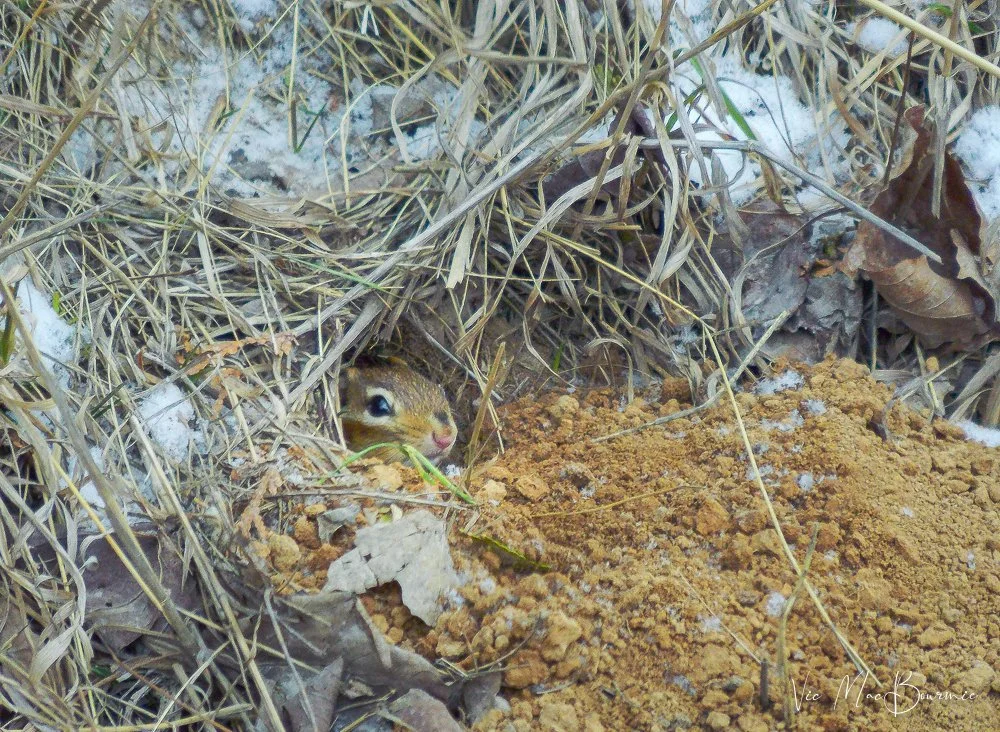
The Pentax VS20 is capable of capturing everything from garden landscapes with its expansive wide angle lens to the little critters that take up residence in the garden. The telephoto zoom was used to capture this little chipmunk in late winter when hints of snow remained on the ground.
Was the Pentax VS20 a digital precursor to modern-day Pentax 17 half-frame camera?
Say what you will about Pentax cameras, but this venerable Japanese company is not afraid to take risks. Unfortunately, not all of the risks prove successful.
The recent Pentax 17 half-frame camera might be a case in point. Although it did meet with initial success as one of the first film cameras to be released in recent times, with the exception of an avid hipster fan base, collectors and film enthusiasts – which, mind you make up a sizeable number of photographers – I’m not sure the camera attracted sufficient users to call it an overwhelming success. Add that to their even more recent Monochrome DSLR experiment, which has proven moderately successful to a narrow group of BW digital enthusiasts.
No one is saying these cameras are not great, only that their narrow base might not be enough to take the cameras over the top in regards to overwhelming success.
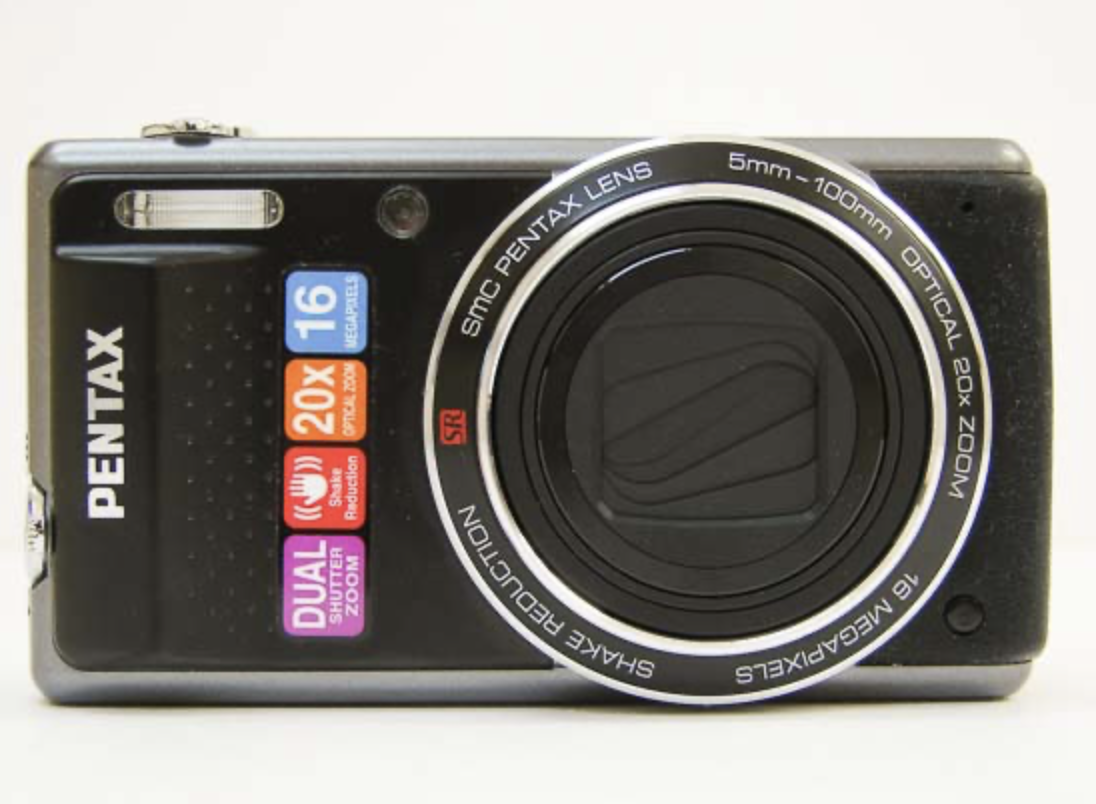
Never a huge fan of Pentax’s Optio series of cameras, the VS20 is certainly an exception, with both its good looks and very high build quality.
The concept behind the vertical shooting “Pentax 17” was twofold: first double the number of pictures out of a roll of 35mm film to save costs, and second; provide users with instagram-ready images already in the vertical/portrait format to perfectly fit the smartphone aesthetic on social media. All this wrapped up in a nicely built, pocketable camera that looks as good in your hand as it does on the table of your favourite trendy coffee shop.
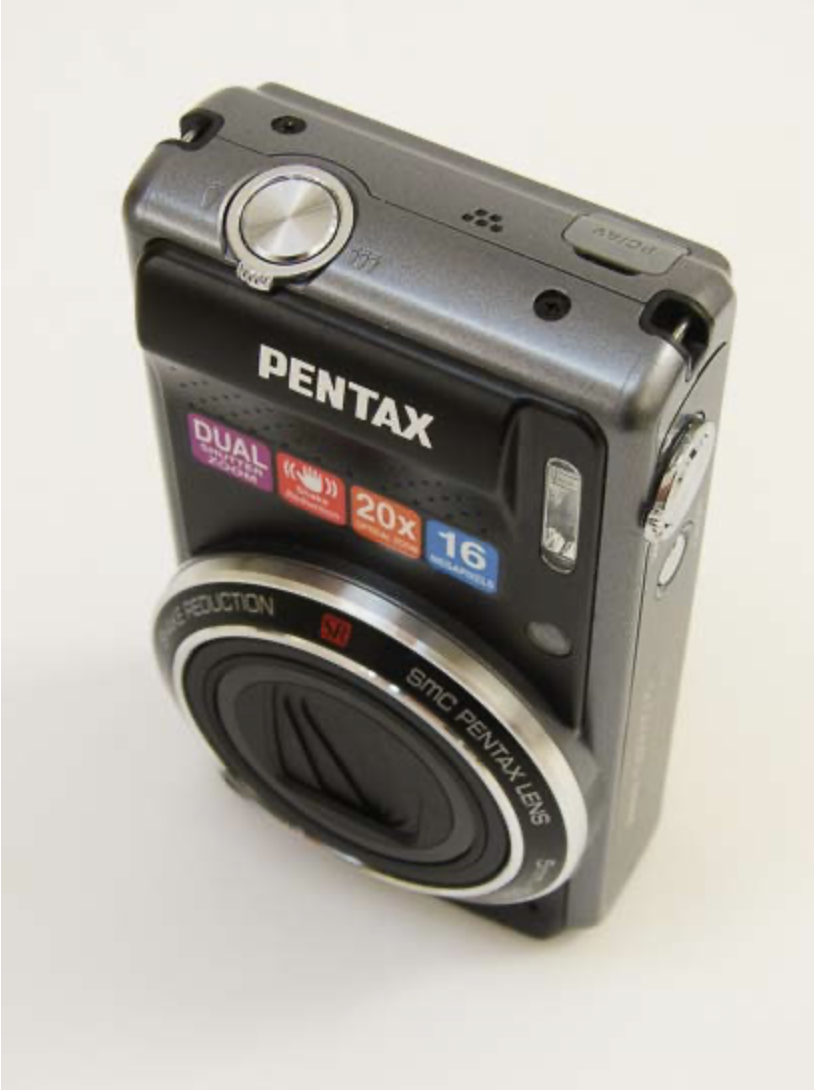
A second separate shutter release and zooming mechanism on the top of the camera makes taking portrait-style images extremely convenient.
Bravo to Pentax engineers and designers for throwing caution to the wind and producing cameras no other mainstream camera company dared create.
Pentax’s forgotten digital social-media gem
To be honest, Pentax already had experience creating a camera that specialized in vertical images. In fact, it could be argued that their first attempt made a whole lot more sense than their latest film-based endeavour.
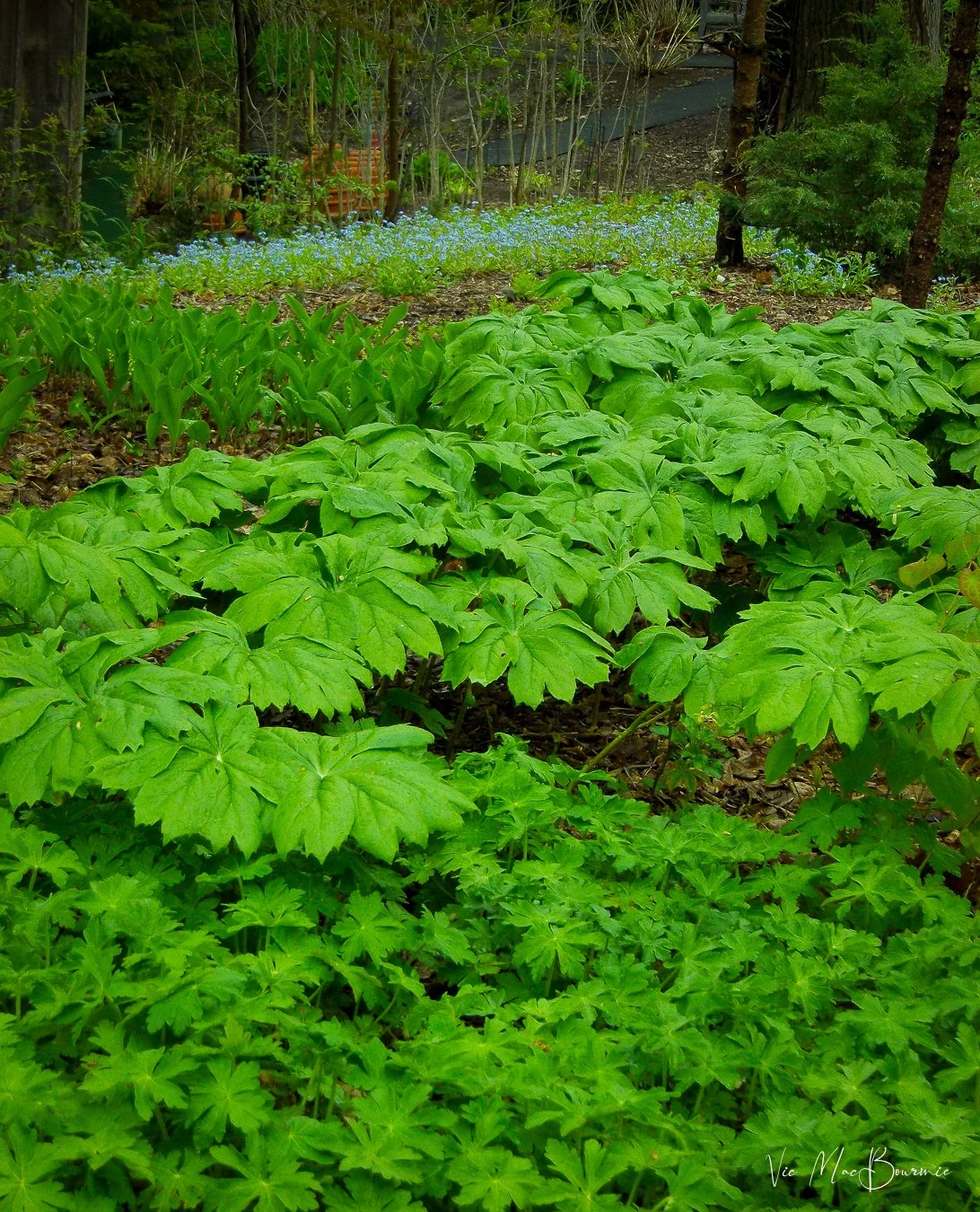
Wild geranium, Mayapple and Forget-Me-Nots take centre stage in the woodland garden wit the Pentax Optio VS20 capturing the scene in vivid greens.

The Pentax VS20 camera includes a Pano feature that stitches as many as three images together in the panoramic mode. Here, two images were stitched together (in-camera) to create this garden panorama.
Head-to-head with the smartphone
The problem, like many of Pentax’s adventures, was their first attempt was just too far ahead of its time.
The Pentax Optio VS20 was officially announced by Pentax/Ricoh on January 25, 2012 – just as 14-million or so smartphones with their built-in cameras saturated the market. Pentax’s answer was a pocketable camera with a 20x optical zoom and separate portrait and landscape shutter releases complete with zooming mechanisms and separate tripod sockets. For more information, check out the Pentax/Ricoh official site.
Now, you would be hard-pressed to name a smartphone that packed that much of a punch.
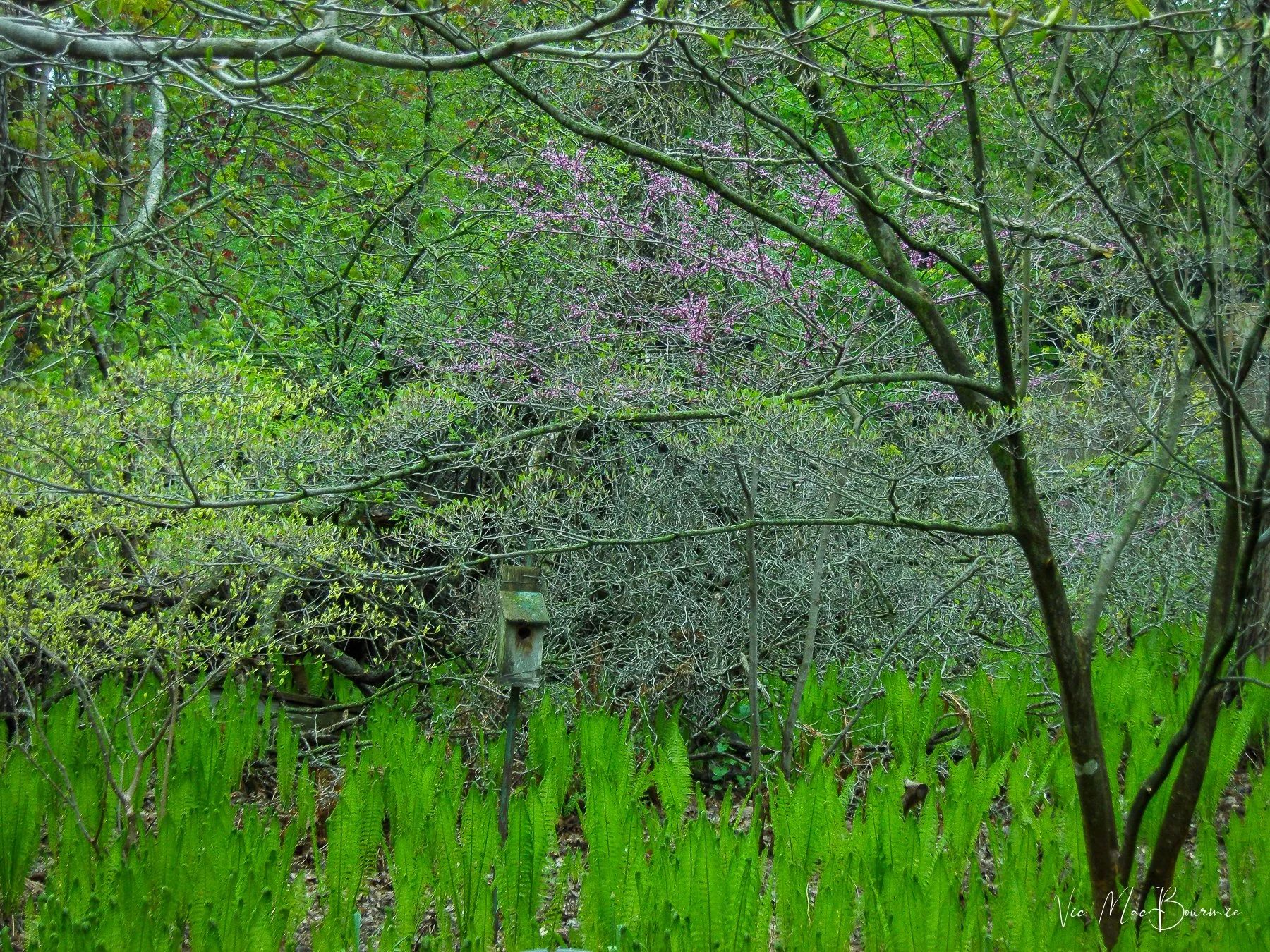
The Pentax Optio VS20 captures the early spring greens of ferns ad a Eastern Redbud.
For many camera enthusiasts and reviewers, the Pentax VS20 digital camera with its dual shutter releases – a traditional release and a separate vertical/ portrait release – was nothing more than an unnecessary gimmick to sell their latest travel camera in a large field of new digital camera releases.
One highly respected on-line review put it succinctly: “While ideally each new camera should have a special, unique feature that sells it on its own terms and distinguishes it from the pack, depressingly most don’t. But, in the case of the Optio VS20 from Pentax we don’t quite know whether to rejoice in or ridicule its points of difference.”

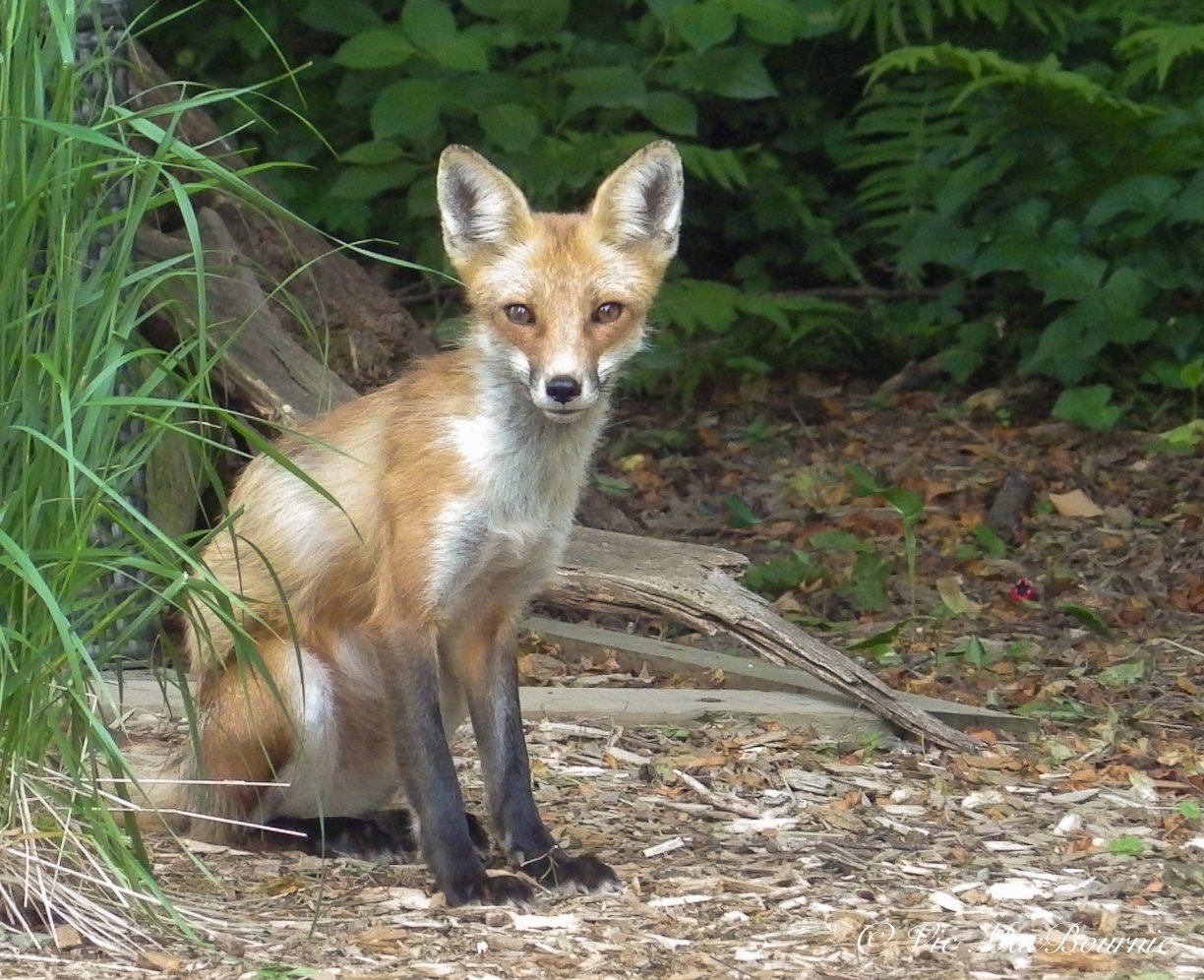
This highly cropped image shows the quality of the files even after extensive (50 Percent) crop. I think it also shows the classical film-like look provided by the CCD 16mp sensor.
Whether photographers of the day ridiculed or admired the camera, it’s almost as if the Pentax designers knew that the world would eventually be obsessed with vertical/portrait images in the never-ending search for as many social-media “likes” as possible.
Today, smartphones dominate that market, but there was a time when the very nicely built, easily pocketable little VS20 travel camera may have competed with that same market.
If the VS20 included modern-day bluetooth capibilties to quickly and easily transfer images from the camera to your smartphone, it may well have become the darling of social media.
Instead, it faded into the history books along with so many other excellent point-and-shoot cameras.
But back to why this camera might be worth considering again today.
For one thing, the new film-based Pentax 17 will set you back $400 or so dollars, while the digital equivalent can be purchased for a fraction of that. I got a mint condition never used version – for a mere $35 Canadian, quite possibly the best deal ever for the camera – but typical used versions go for about $100.
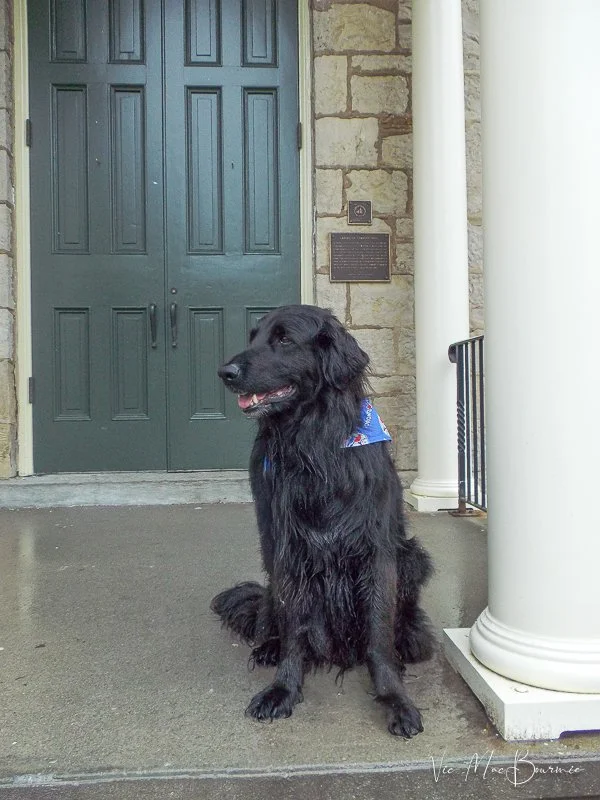
Portrait mode made easy
The Pentax/Ricoh VS20’s portrait mode makes capturing social-media-ready images easier than ever.
Feature-packed camera
Not only was the camera already designed to shoot vertical images, it sported a highly sought after 16 megapixel CCD sensor and an Intelligent Zoom function that extended the core 20x optical range (22.-580mm in 35mm terms) by 144x to provide a lens reach of a ridiculous 4032mm in terms of a 35mm film camera. You might not want to push it that far, but in case of a once-in-a-lifetime picture, it’s nice to know the possibility is there for the taking.
Oh, and have I mentioned that it even sported two tripod socket mounts for more serious photographers who were either looking to achieve the ultimate in sharpness, or just wanted to be included in the picture. (It’s also wise to use a tripod when you are extending the camera’s lens to these extremes.)
Again, you’re not going to get that type of reach on your average smartphone.
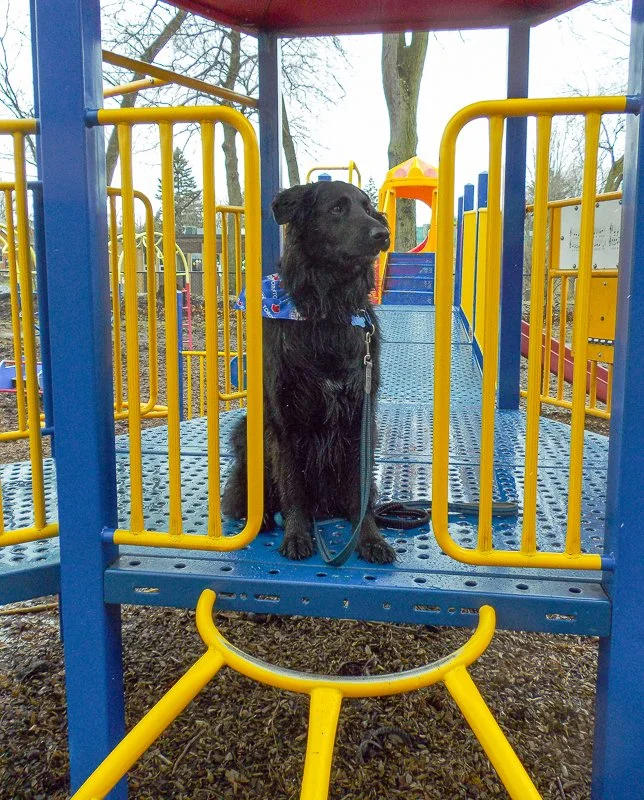
Portrait mode made easy
Pentax’s convenient portrait mode shutter release and zoom ring turns the camera into the ultimate social media darling.
Add a CCD-based sensor
And, yes, you read that right the camera was equipped with a 16mp CCD sensor. If that means nothing to you, a little research will quickly unveil the cult following for CCD-sensor-equipped cameras that are said to be able to obtain a more film-like image quality.
I can’t say the results a film-like, but I can verify that the jpeg images coming out this camera are very natural with excellent colour and depth. Unfortunately, it does not shoot in RAW.
Hipsters everywhere must be losing their minds to have missed such a great little CCD-based social media darling camera.
But, it’s not only hipsters. Any photographer looking for an everyday carry might want to take the time to track down this sweet little travel camera from 2012 that sports a host of goodies under its hood.
Features galore
Let’s take a Quick Look at what this camera offers.
I’ve never really been a fan of the Optio series of Pentax cameras because they lack many of the ultimate control more advanced photographers look for in a serious camera.
The VS20 is no different – lacking the ability to put the camera in shutter or aperture priority let alone in fully manual. That aside, the camera’s multiple modes are enough to satisfy most photographers’ wants and needs.
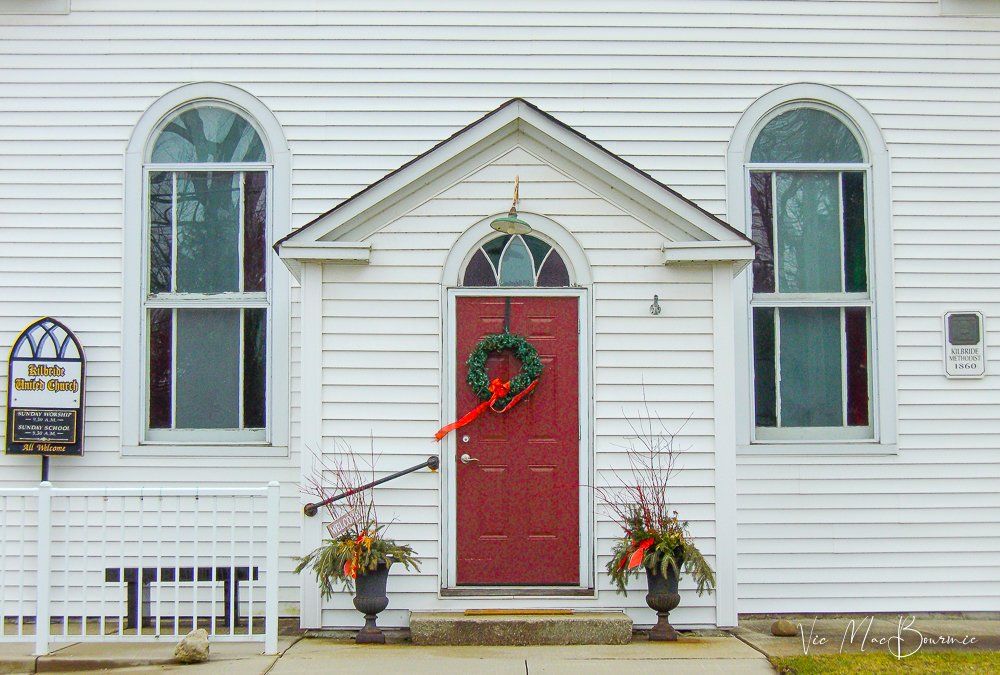
This image of a church shows the nice colour, sharpness and depth possible with the CCD-sensored camera.
The trick is, like many point-and-shoot style cameras to learn how to get the most out of these cameras’ shooting modes.
And, like most cameras in Pentax’s Optio line, the VS20 sports a plethora of modes – 20 to be exact –, presented across two screens and tabbed through using the multi directional pad.
The intelligent Auto Picture mode and Program Auto join with natural skin tone portrait mode, handheld night snap, night scene portrait, night scene, digital panorama, plus the self-explanatory landscape, blue sky, sunset, flower and digital shake reduction options. The second screen and second dozen options cover kids, pets, generic portraits, food (enhances saturation and contrast), fireworks, surf and snow, sport, plus the digital effects filters which comprise fish eye, sketch and miniature, along with text mode and frame composite mode – adding a border to your image but fixing the pixel count at 3MP at the same time.
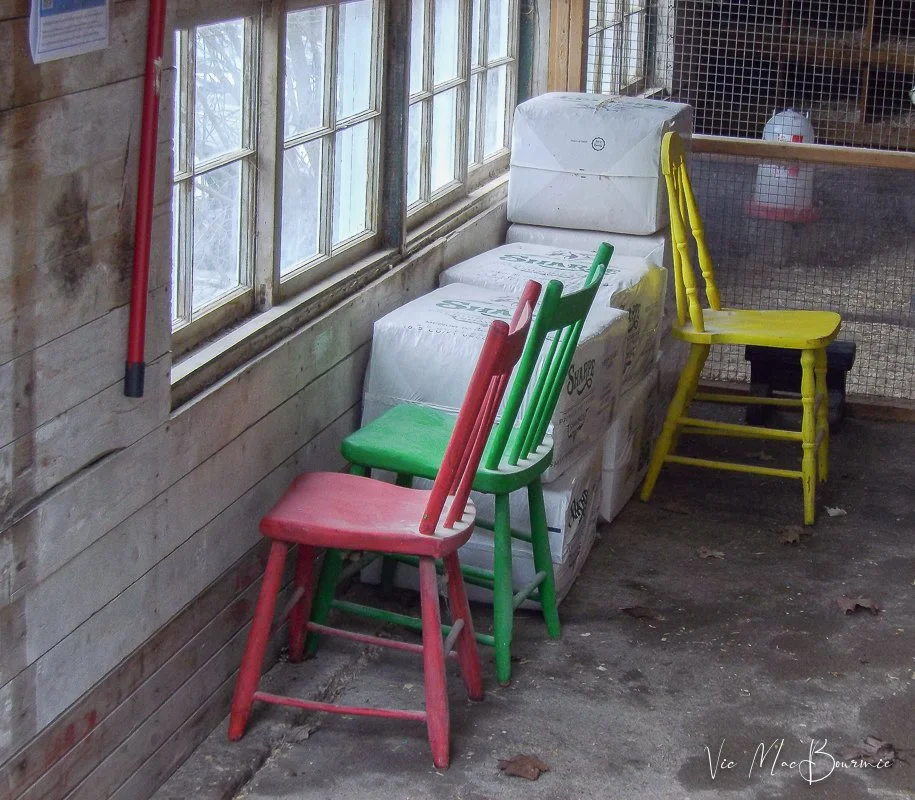
These colourful chairs in an old barn were too good to pass by. Despite the relatively low light, the camera was able to capture the scene nicely.
More serious photographers will choose the “program Mode” where we can narrow or enlarge the focus area, as well as activate AF tracking. Exposure can also be tweaked between +/- 2EV, the camera’s dynamic range can be adjusted for highlight correction, shadow correction or both, plus the likes of shake reduction, face detection, blink detection and the digital zoom implemented if desired.
That’s just a taste of what this highly useable, should I say '“enjoyable” camera offers users.

Of course whether you are on vacation, out for a walk with your dog or just capturing your garden images, this very pocketable camera can be a daily carry to capture memorable images.
There is a standard (for its era) 3-inch, square-ish 4:3 aspect ratio LCD with anti reflective coating to compose and review stills and 1280x720 pixels video clips. The screen still holds up as a higher resolution than one would expect of an entry-level snapper of this era at 460k dots.
The black faceplate on the back adds a little sophistication to the camera’s aesthetic – with white being an alternative choice on some cameras.. There’s also a gentle curve to one end by way of a hand grip, plus a rubber pad at the opposite end for those preferring the two-handed approach when lacking a tripod.
The camera also features an extremely good macro feature that allows the photographer to get extremely close-up images. Perfect for flower and insect photography.
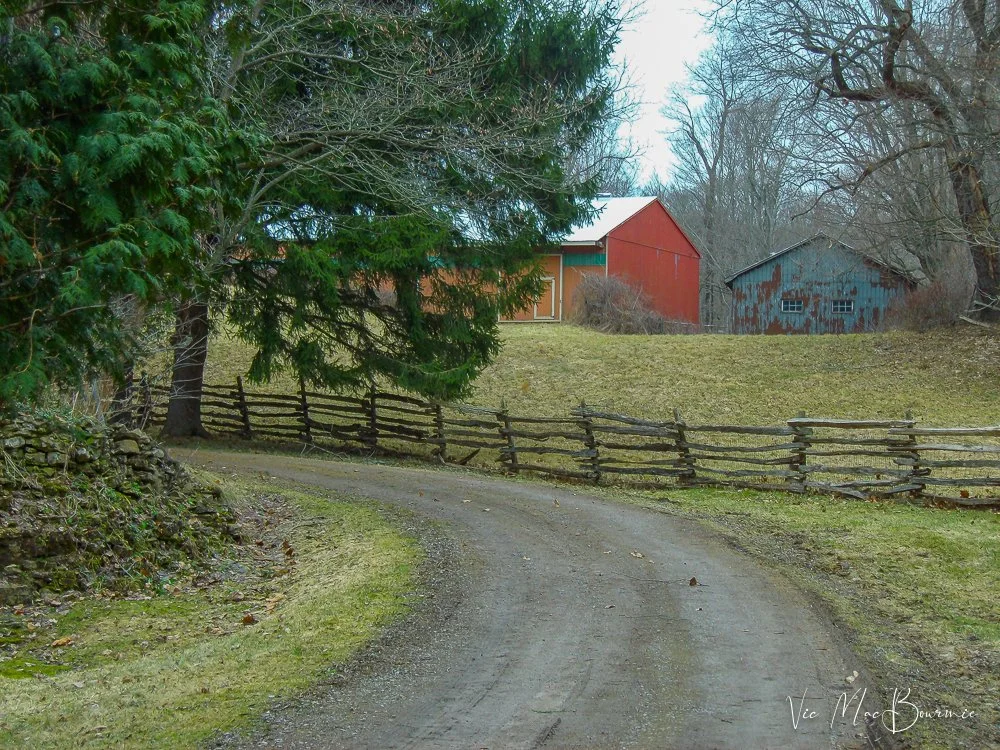
The camera’s 16mp CCD sensor is more than enough to capture beautiful landscape images. The wide-range zoom has the ability to crop the image in-camera to get the ideal composition.
Image quality
All of the images in this review were taken using the 16 megapixel “best” JPEG setting, which gives an average image size of around 4.5Mb.
Is this camera capable of matching what you would get out of your mirrorless camera or DSLR? Of course not. Is it capable of capturing your garden in full bloom, the critters that share it with you as well as your pets, children, grandchildren and even your next vacation – absolutely.
Not only is it more than capable, you might find using the camera is actually fun. It is certainly small ebough to fit into your pocket so you have it with you wherever you go.
That’s not to say it’s the perfect camera.
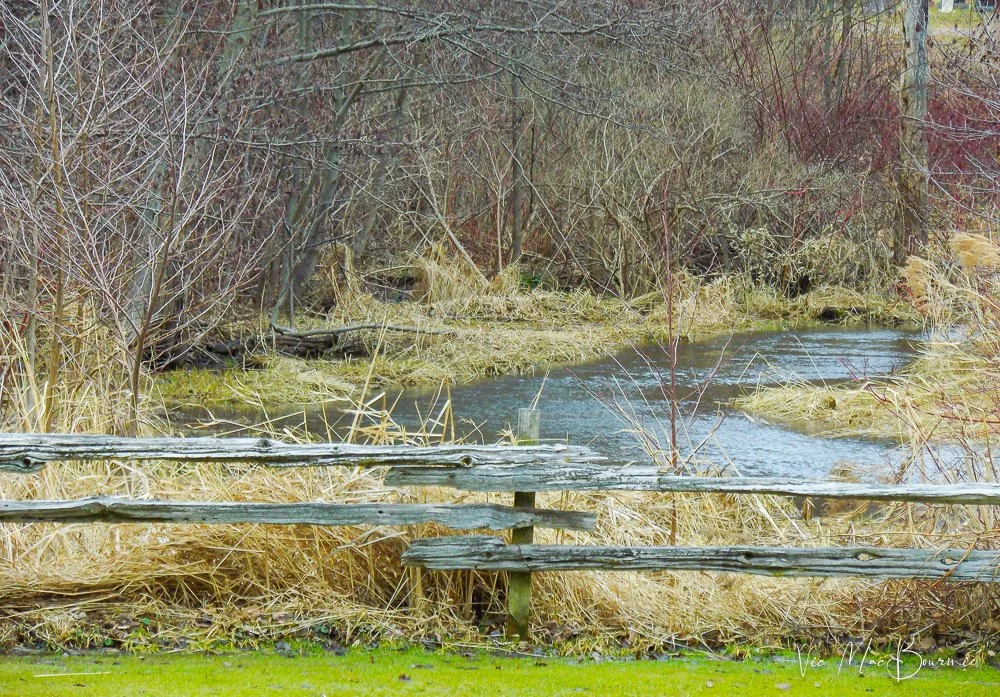
Pentax’s VS20 was never considered an “expensive” camera with an original retail price at about £199.99 / $249.95 new. Today’s prices on the used market make it an absolute steal if you can find one in good shape. (I got mine for under $50 Canadian virtually brand new and never used.) Ebay.com has them listed anywhere from around $60 to almost $200 U.S..
That said, the focus is slow. As a result you may find some of the images are not sharp - it’s a little hit-or-miss at times if you are snapping pictures quickly. It’s important to give the camera time to get focus before clicking the shutter. You might want to turn the “beep” up so you get an audible assurance before clicking the shutter. Also, because you don’t have complete control of the shudder speed, don’t be afraid to use the built-in flash or a tripod to ensure sharp images.

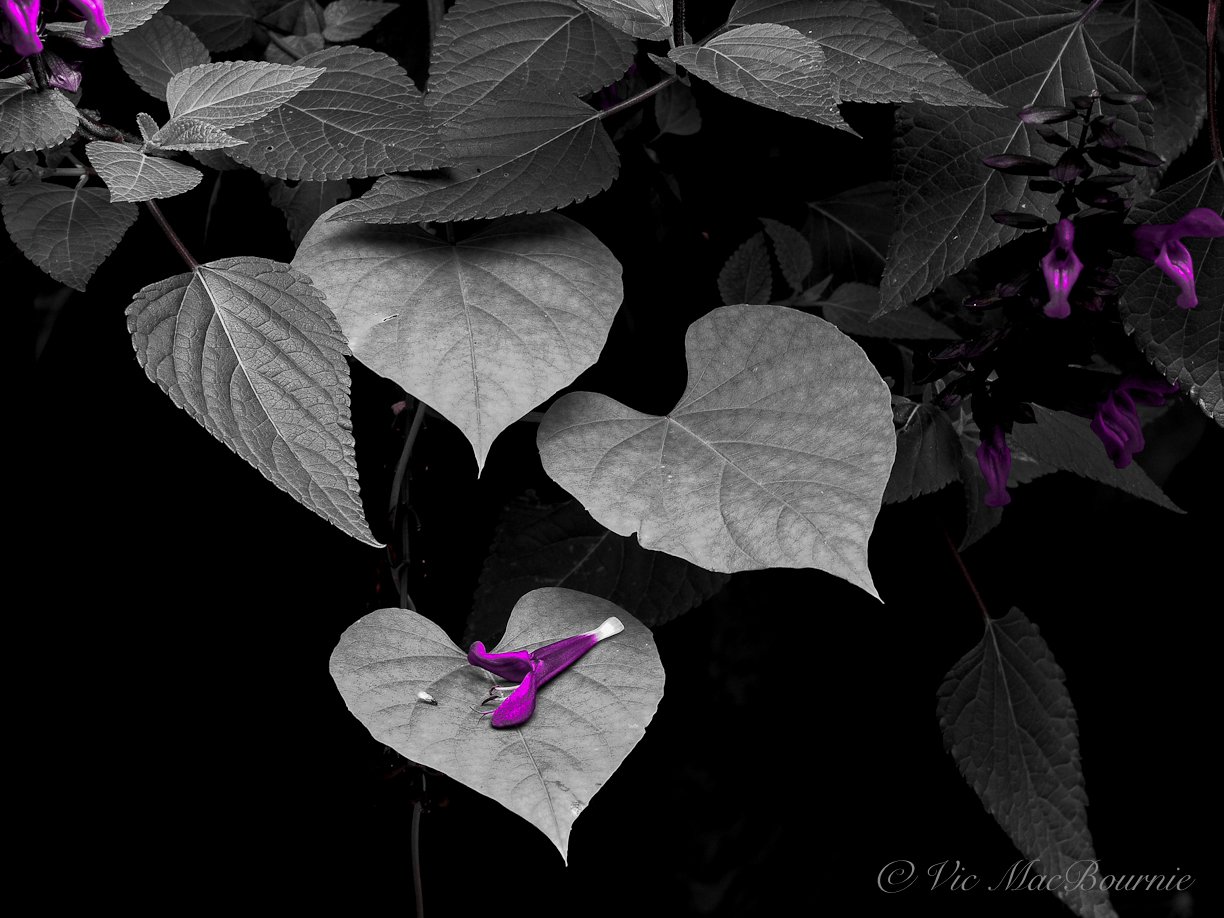
Many modern digital cameras offer an “extract colour” feature that takes an image and converts it to black and white but pulls out a single colour of your choosing. The VS20 allows for blue, red and green to be extracted after the original image has been taken. In this case, I chose to extract red.
Images maintained detail into the corners for the most part at maximum wideangle, with minimal if any barrel distortion too. Brighter conditions can result in over exposed highlight detail plus there can be some pixel fringing between areas of high contrast, but the latter only becomes an issue on close inspection.
In terms of low light performance, the camera can be used up to ISO800 with acceptable results. Higher ISOs begin to degrade the images more than you would want, unless it is a critical shot. If you have access to high quality post processing software, these high-ISO problems become less important.

The Pentax Optio’s close-focus capibiities are also very impressive. This hand held image was taken from just a few centimetres away. The lichen and mosses are tiny.
Having said that, the camera has a night scene mode and, as long as you have a steady surface at your disposal, it’s possible to achieve really quite acceptable results in low light situations.
One last annoying problem I have discovered. The four-way button is easily pushed with your thumb which, in my case, sends the camera into a 10-second timer mode causing me to miss a couple of shots of birds and other wildlife. Not a big deal if you are aware of it, but it did cause me to miss a couple of potentially good shots.

It’ not hard to see how the camera’s CCD sensor was able to capture the fine details and colour of this old barn door.
Specifications
Camera Type: Super Zoom Compact CameraSensorTypeCCDSize1/2.33’’ CCDTotal Pixelsapprox. 16.00 megapixelsEffective Pixels
16.56 MP
Still16M (4608x3456), 12M [1:1] (3456x3456), 12M [16:9] (4608x2592), 7M (3072x2304), 2M [16:9] (1920x1080), 640 (640x480)Movie
Compatibility AVI (Motion JPEG)
Resolution :
HD: 1280(1280 x 720): approx. 30/15 fps.
VGA: (640 x 480): approx. 30/15 fps.
320:(?320 x 240): approx. 30/15 fps.
SensitivityAuto ISO, manual (80 ? 6400 ISO)
Shake ReductionCCD-shift Shake Reduction
LensFocal Length 5-100mm, equ. to 28-560mm in 35mm, aperture : F/3,1 - 4,8
Digital Zoom
Optical Zoom:20X
Digital Zoom: Approx. 7.2 X
Smart Zoom Approx. 30x at 7M, approx. 144X at 640 (including optical zoom)
Construction11 elements in 8 groups (1 aspherical elements )
Focusing SystemTypeTTL autofocus with contrast détention
FunctionsManual Focus, Infinity-landscape
Focus Range (automatic)
AF points
Standard
1.6m - infinity (at tele setting)
3-point AF, Spot AF, Auto tracking AF (anticipating moving subject), 0.4m - infinity (at wide setting)
Macro
0.1m - 0.5m (at wide setting)
Super Macro
0.01m - 0.2m (middle zoom position)
ScreenType3’’ LCD Colour screen
Resolutionapprox.460K points
ShutterTypeElectronical shutter with sheduled automatic exposition
Speed1/2500 - 1/4 sec. 4 sec max. (Night Scene mode setting)
Exposure systemMeteringMulti-segment metering
Exposure Modes Auto Picture, Program, Natural Skin Tone, Handheld Night Snap, Night Scene Portrait, Night Scene, Digital Panorama, Landscape, Blue Sky, Sunset, Flower, Digital SR, Kids, Pet, Portrait, Food, Fireworks, Surf & Snow, Sport, Fish-eye, Sketch, Miniature Filter, Text, Frame composite, Movie, Green.
Compensation+/-2EV (1/3 EV steps)
FlashType Integrated auto flash control
Automatic activation in low light conditions.
ModesFlash-on and Flash-off modes "Red-eye" reduction function
Effective Range
Flash range Wide: approx. 0.2 ? 5.1m (ISO Auto) Tele: approx. 1.6 ? 3.3m (ISO Auto)
Exposure ParametersModes Mode: Standard, self timer,burst shooting, high speed burst (L,M,H****), Remote control DRE: "Dynamic Range Enlargement", shades compensation: high lights
Face Recognition Face recognition AF&AE is available for all modes up to 32 faces, Smile Capture, Blink Detection, animal recognition
White BalanceAuto, Daylight, Shade, Tungsten, Fluorescent, Manual setting
Digital Filter B&W/Sepia, Toy Camera, Retro, Color, Extract Color, Starburst, Soft, Fish-eye, Brightness, Miniature, Natural Skin Tone, Sketch
MovieRecording
Sound : Yes
Movie : Shake reduction Mode (SR)
Duration : Depends on memory card capacity
Resolution :
VGA (640x480), approx 30/15 fps
QVGA (320x240), approx 30/15 fps
HD 1280 (1280 x 720p), approx 30:15 fps
EditingRecord as pictures, spilt movies.
PlaybackDigital Filter
B&W/Sepia, Toy Camera, Retro, Color, Extract Color, Starburst, Soft, Fish-eye, Brightness, Miniature, Natural Skin Tone, Sketch
Options
Slideshow, Image Rotation, Stretch Filter, Small Face Filter, Digital Filter (B&W/Sepia, Toy Camera, Retro, Color, Extract Color, Starburst, Soft, Fish-eye, Brightness, Miniature, Natural Skin Tone, Sketch), Frame Composite, Movie Editing, Red-eye Compensation, Resize, Cropping, Image Copy, Protect, DPOF, Startup Screen
StorageInternalApprox. 16MB
ExternalCompatible with SD, SDHC, SDXC memory cards
File Format
Photo format : JPEG (Exif 2.3), DCF 2.0, DPOF, PRINT Image Matching III
Video format : AVI (Motion JPEG), with sound
Special FeaturesFeatures
Text size: Standard, large
World time : 75 cities, 28 time zones
?Language
English, French, German, Spanish, Portuguese, Italian, Dutch, Japanese, Danish, Swedish, Finnish, Polish, Czech, Hungarian, Turkish, Greek, Russian, Thai, Korean, Simplified Chinese, Traditional Chinese
PrintingFormatInterfaceInterfaceUSB2.0 (Hi-Speed), PC/AV terminal (NTSC/PAL, mono)
PowerSource
Battery : Rechargeable D-LI122 Luthium-ion battery
Optional AC adapter also available
PerformanceRecording capacity approx. 200 shots and 180 min in play mode.
DimensionsHeight60mm
Width108mm
Depth34mm
Weight191g (charged with battery) Approx. 170g (body only)
CompatibilityPCWindows XP SP3, (SP3), VistaTM and 7MacOS X 10.3.9 or aboveAccessoriesIncluded SoftwareSoftware: (CD-ROM) S-SW121
Kit ContentUSB cable I-USB7, AV-IAVC7 video cable, rechargeable battery Li-ion D-DLI92, battery charger D-BC92, O-ST104 strap and software.
OptionalOptional AC adapter







The Olympus 45mm F1.8 teamed with the MCON P02 takes an already outstanding lens and makes it significantly better.